


- Why freehand sketching is important
- Proportions and measurements
- Values and pencil shading techniques
- The 5-value system
- 3D forms

Recorded Course
₹3,000
15+ hours
8 portrait projects
Draw portraits that hold from every angle
from measurement and planes to graphite value
8 projects in one freehand course
Recorded Course
Self-paced
For beginners and returning artists who want proportions that hold - and for anyone looking for a focused, absorbing creative practice.
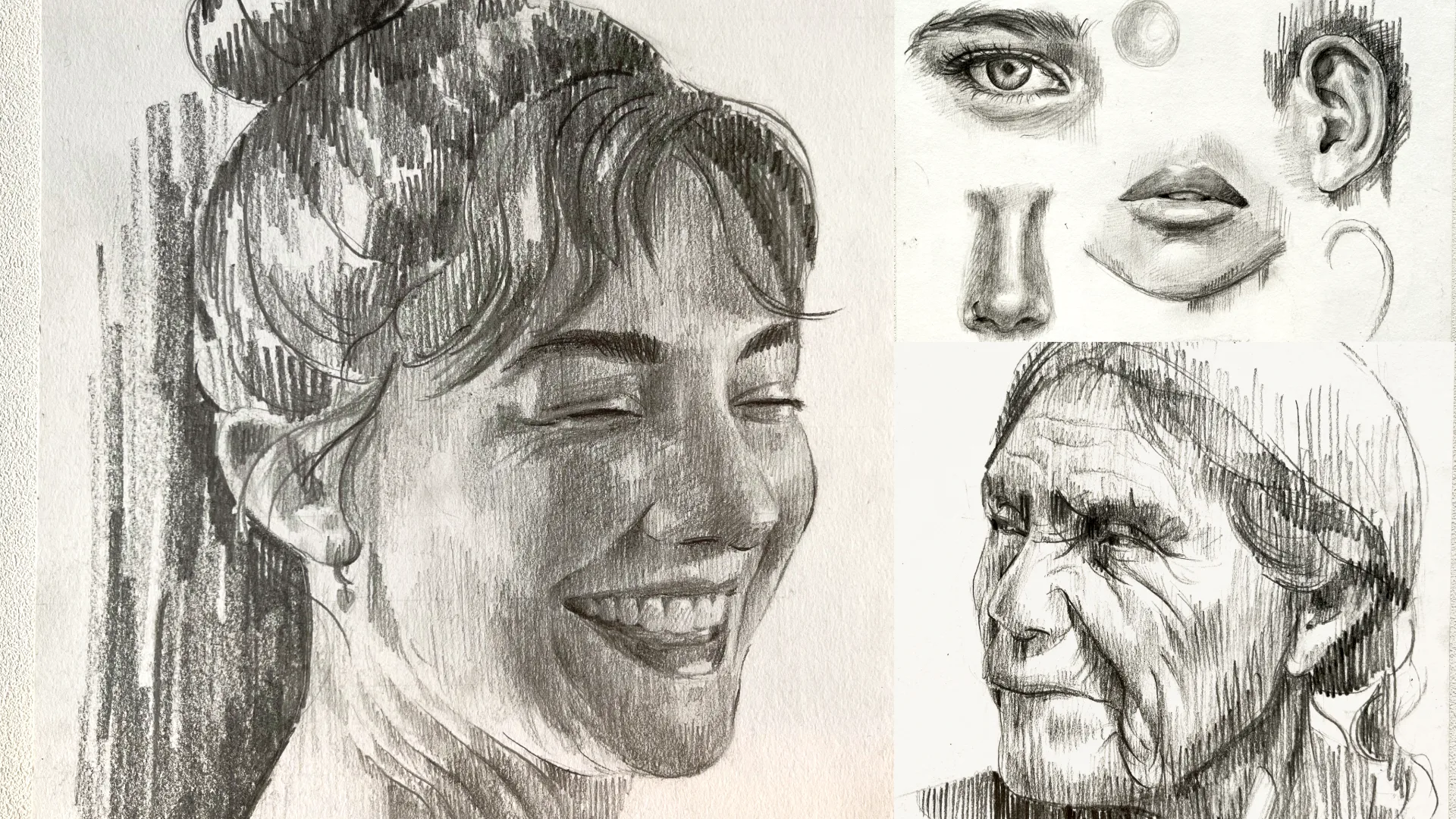
15+ hours • 4 modules • 2-year access • Certificate included • Personal feedback
Recorded Course • ₹3,000 • 15+ hours • 8 portrait projects
Secure payment • Instant dashboard access
₹200 per hour of teaching
HD video, 2-year replay
20,000+ learners
in 154 countries
In learners' words
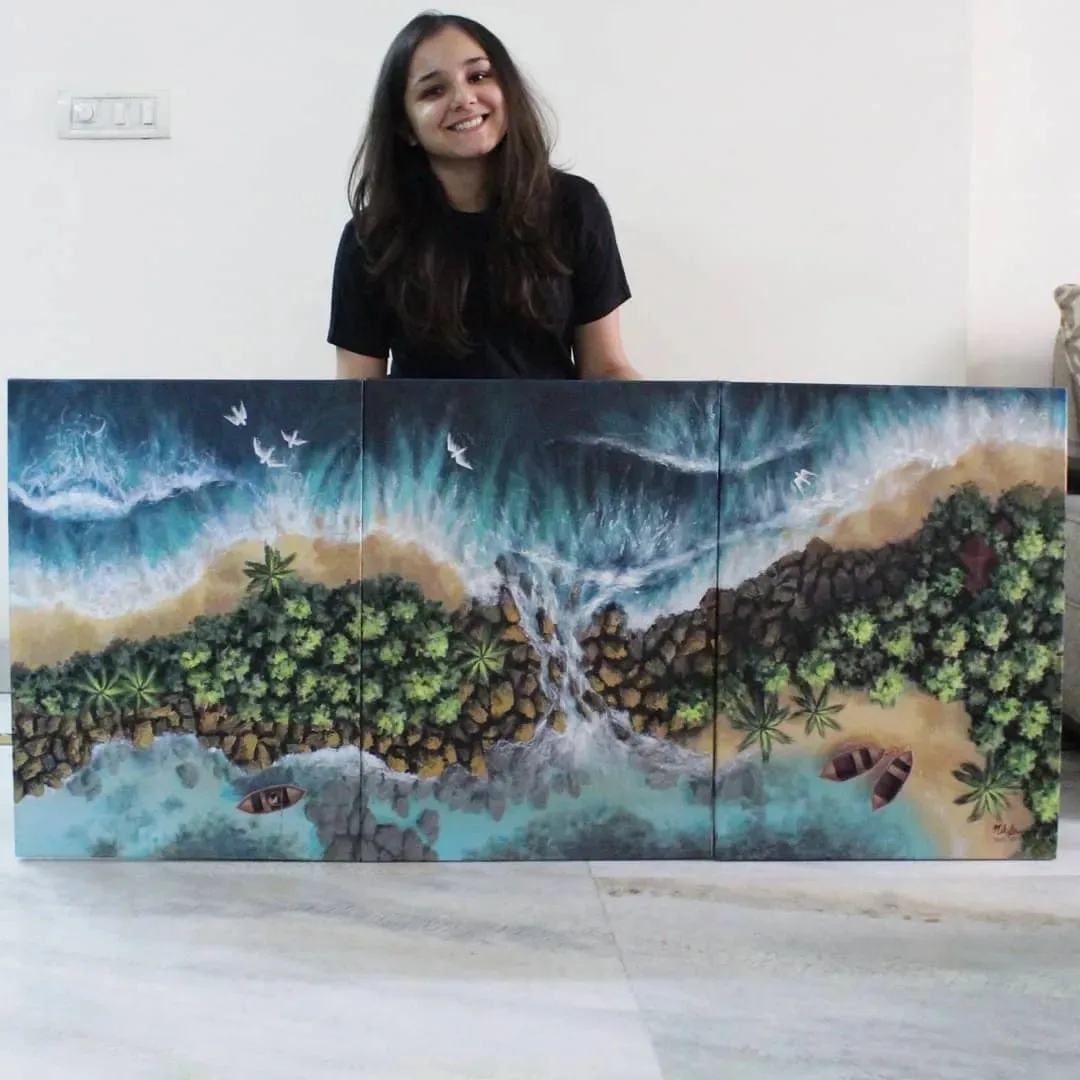
Lead instructor - Nikita Chhabra10+ years teaching
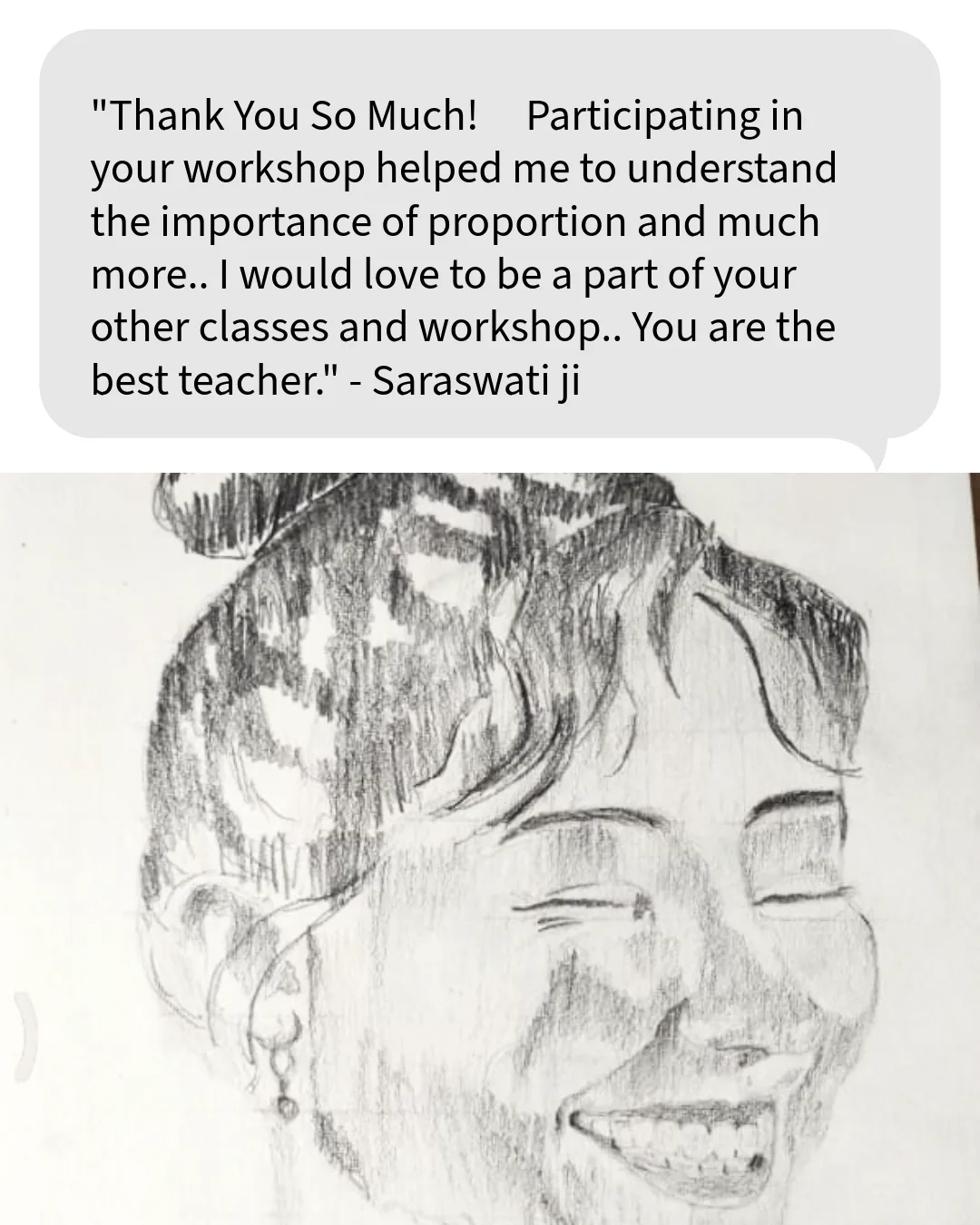
“She explained everything step by step, making even the harder parts feel easy to follow.”
“It improved my sketching ability plus I learned tricks on how to measure and sketch.”
“Her teaching is so methodical, precise and detailed.”
What you draw
Each project adds a new skill—measurement, structure, planes, or graphite control—to the portrait you are building.
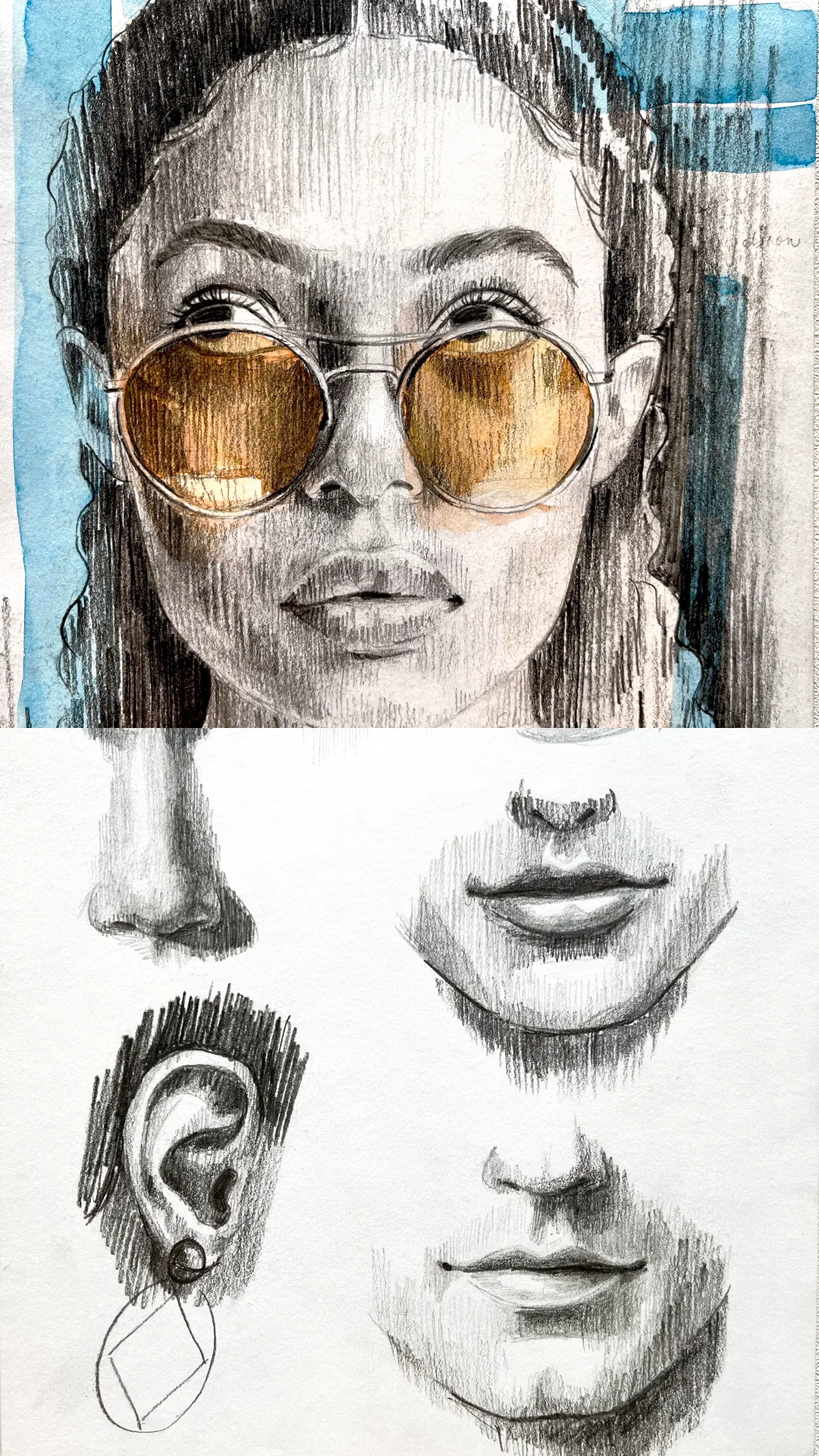
Measure the face before you draw it
Plot proportions, check feature distances, and set the head shape so the portrait holds from the first marks.
Plot proportions, check feature distances, and set the head shape so the portrait holds from the first marks.
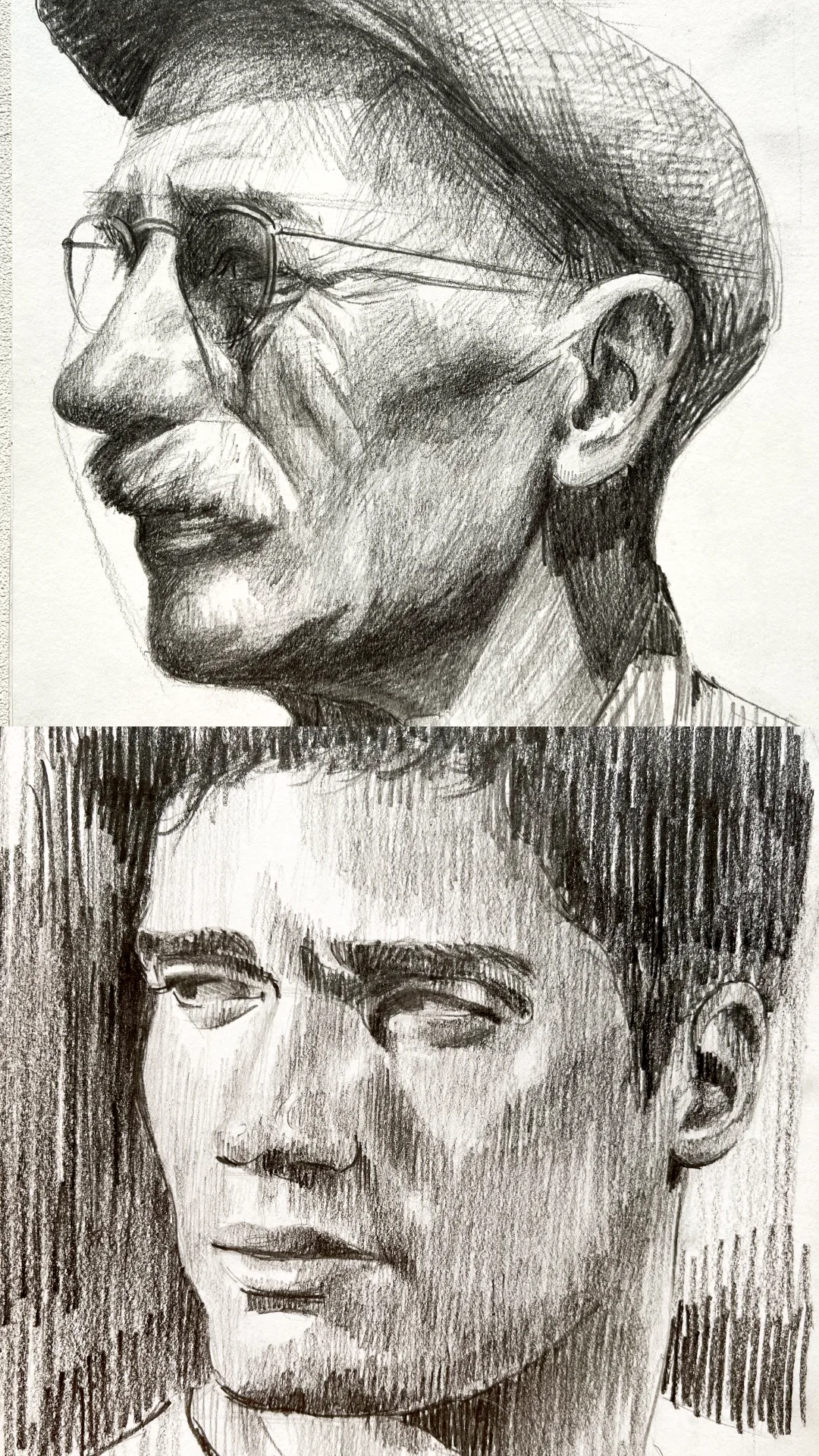
Build the skull, then place the features
Apply the Loomis method to construct the head in three dimensions, then map planes for the nose, brow, and jaw.
Apply the Loomis method to construct the head in three dimensions, then map planes for the nose, brow, and jaw.
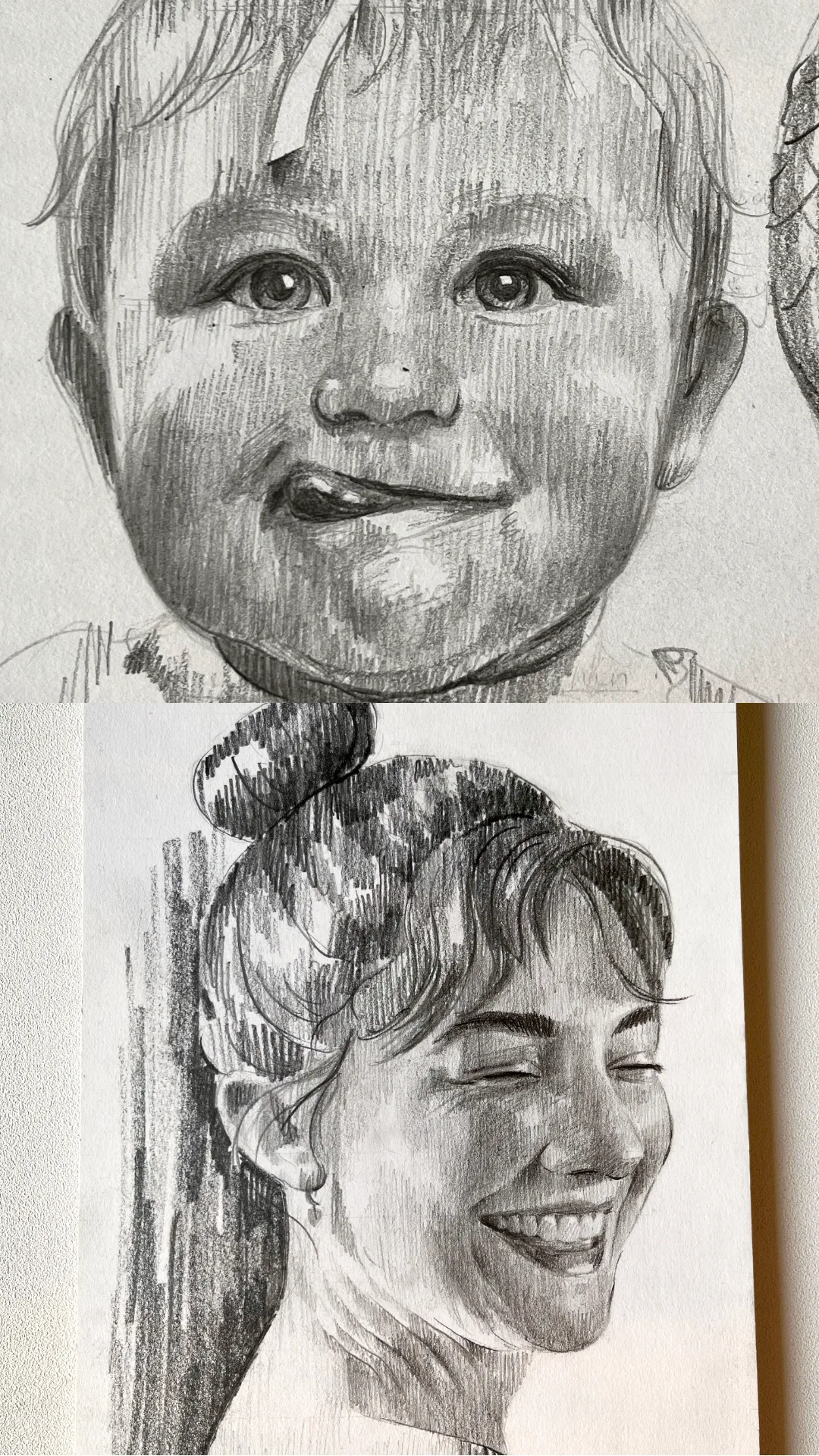
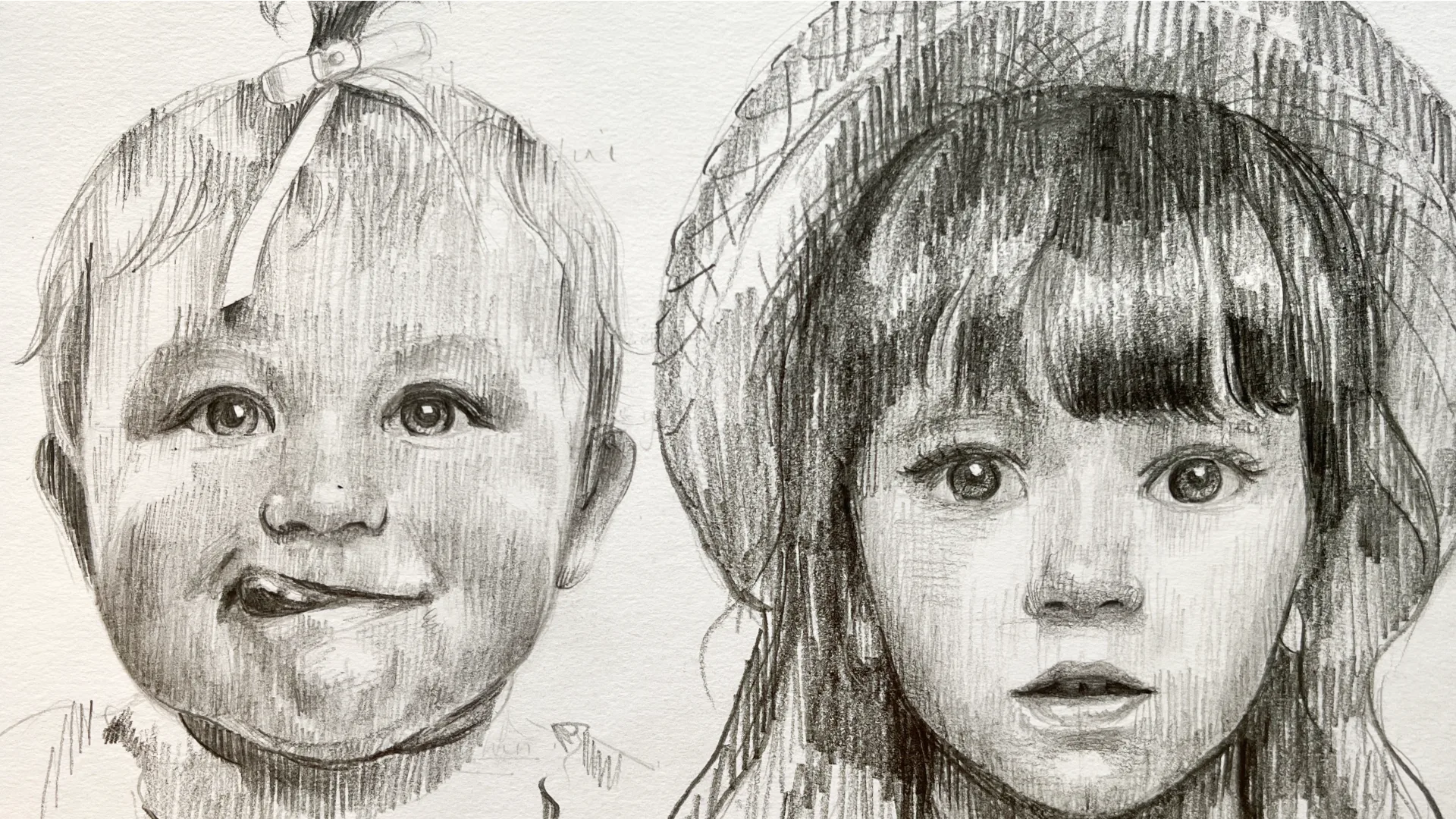
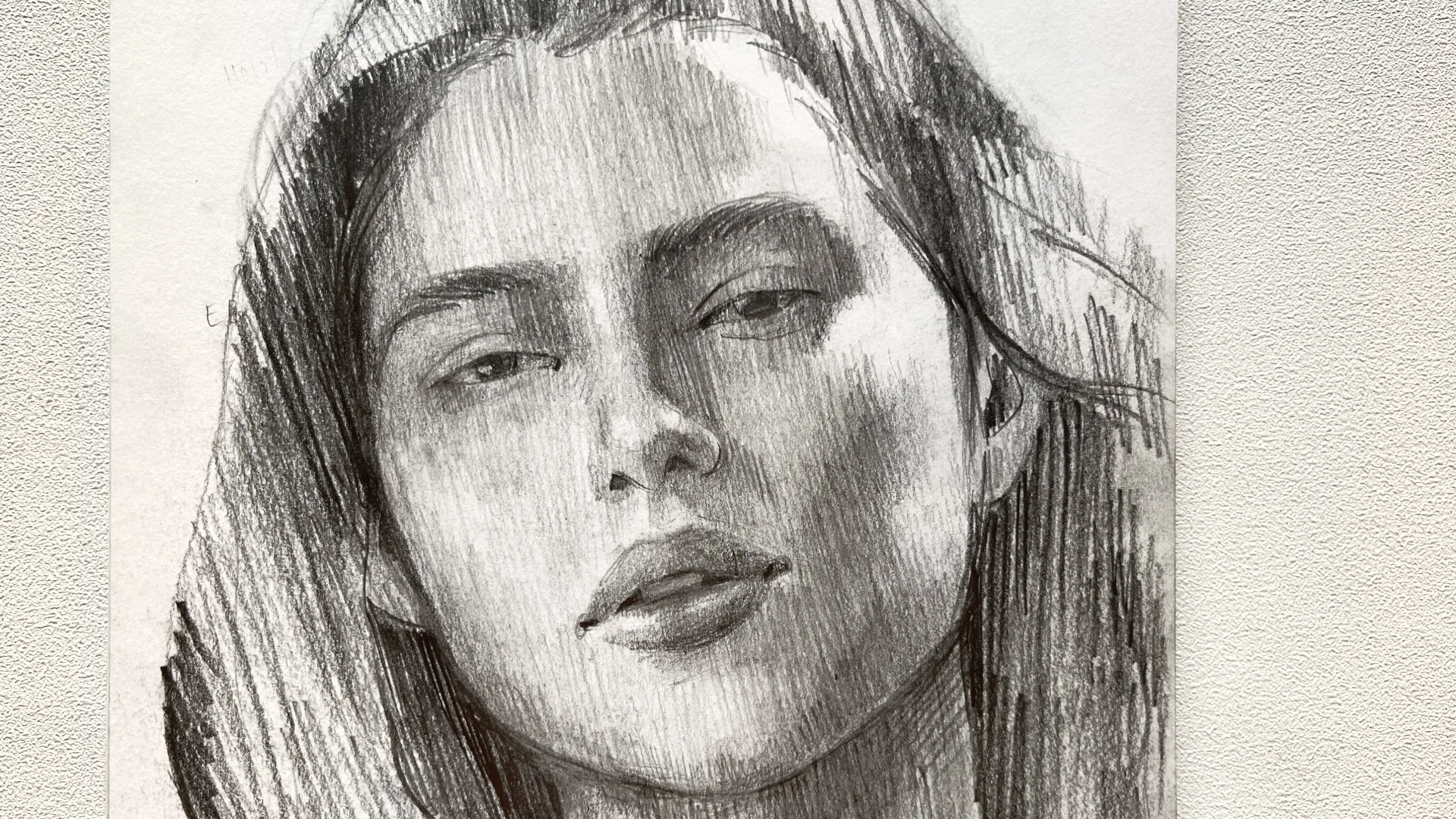
Shade with a 5-value system
Use hatching and layered graphite to separate light from shadow and give the face visible depth.
Use hatching and layered graphite to separate light from shadow and give the face visible depth.
Course curriculum
Recorded lessons
4 modules
Shading to finished portraits
2-year access
Eight guided portrait projects across four modules, each one adding a new measurement or shading method to your toolkit.
Modules and focus areas
Open a module to see the topics covered.
- Facial features placement
- Facial proportions with the Loomis method
- Planes of the face
- Loomis method combined with planes
- Features and face drawn from angles
- Project 1 -- AMS method female portrait: guidelines, outlines, graphite values
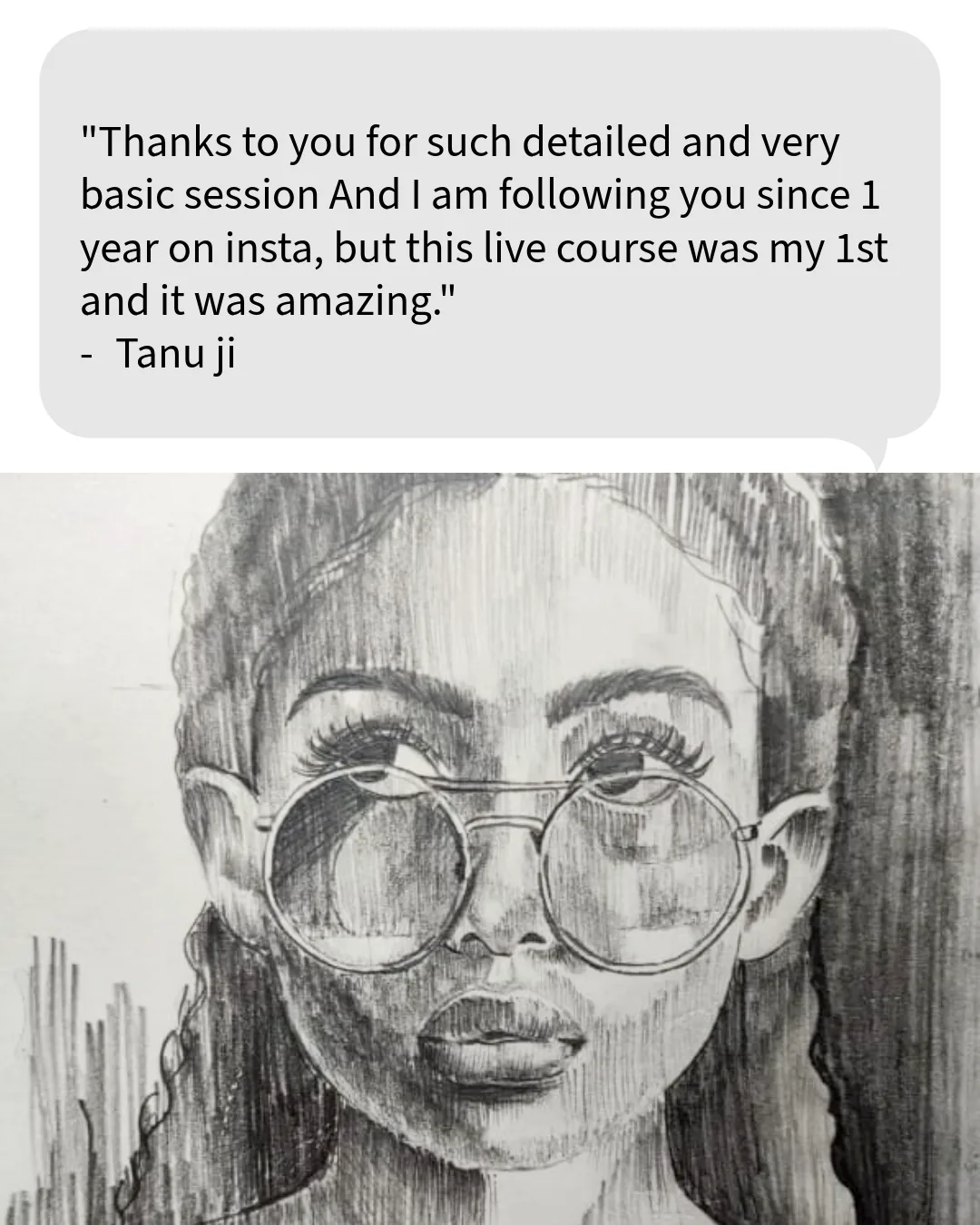
- Project 2 -- Female portrait: guidelines, hatching, final graphite layer
- Project 3 -- AMS method male portrait at an angle: outlines, feature details, values
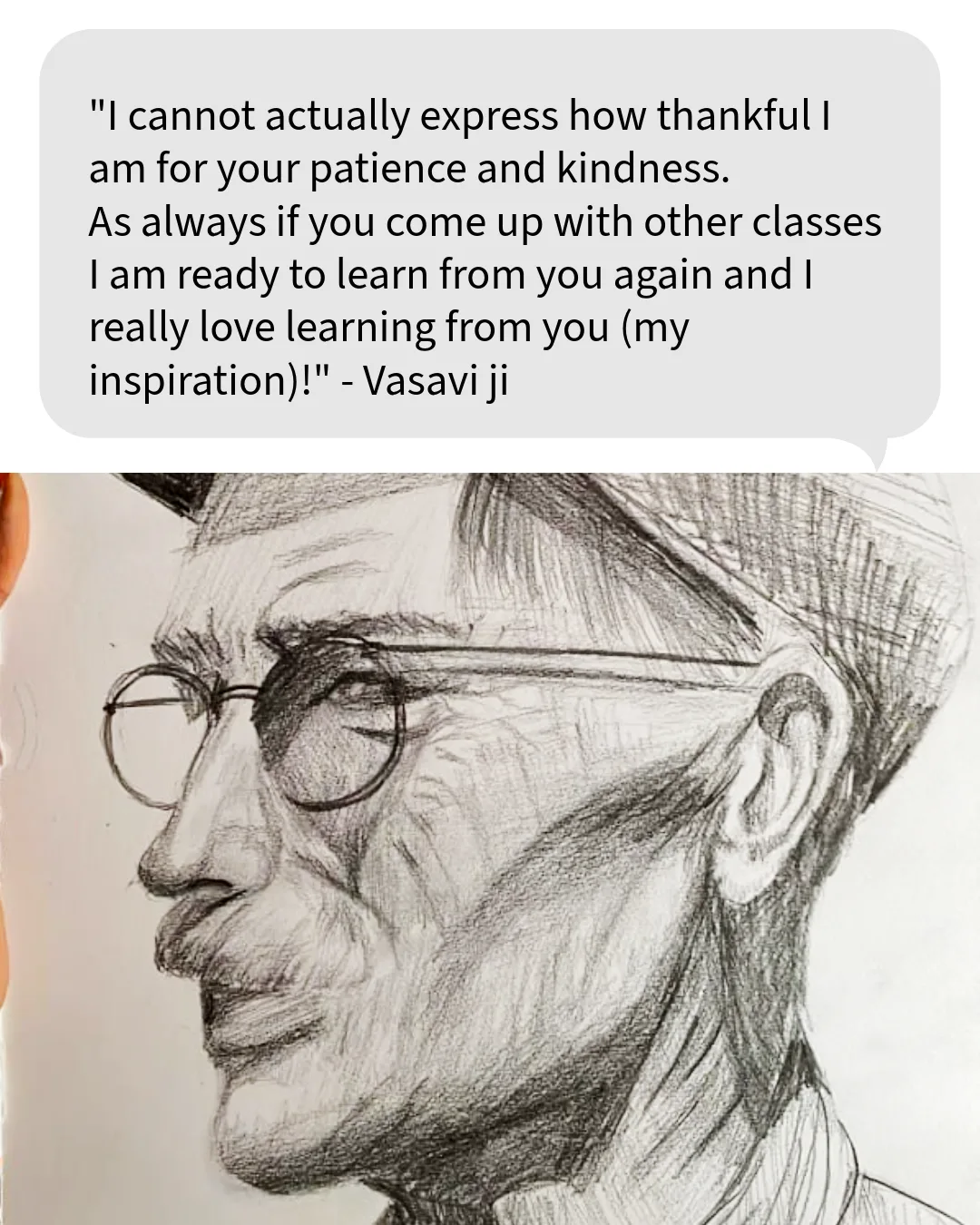
- Project 4 -- Measuring technique old man portrait: outlines and cross-hatching
- Project 5 -- Loomis grid male portrait at an angle: guidelines, outlines, values
- Project 6 -- Grid method female portrait: box grid, outlines, values
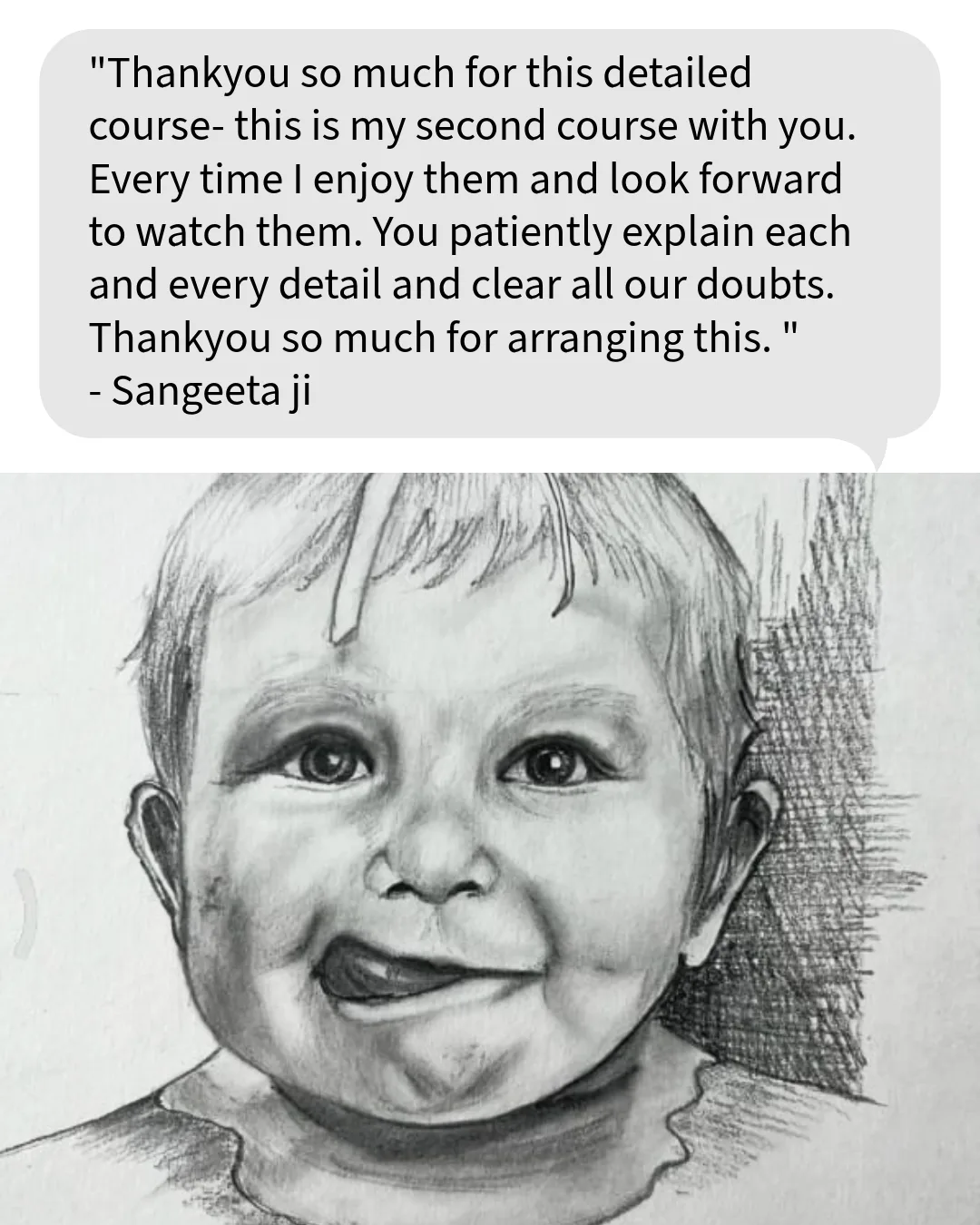
- Project 7 -- Baby portrait: baby-specific proportions and full rendering
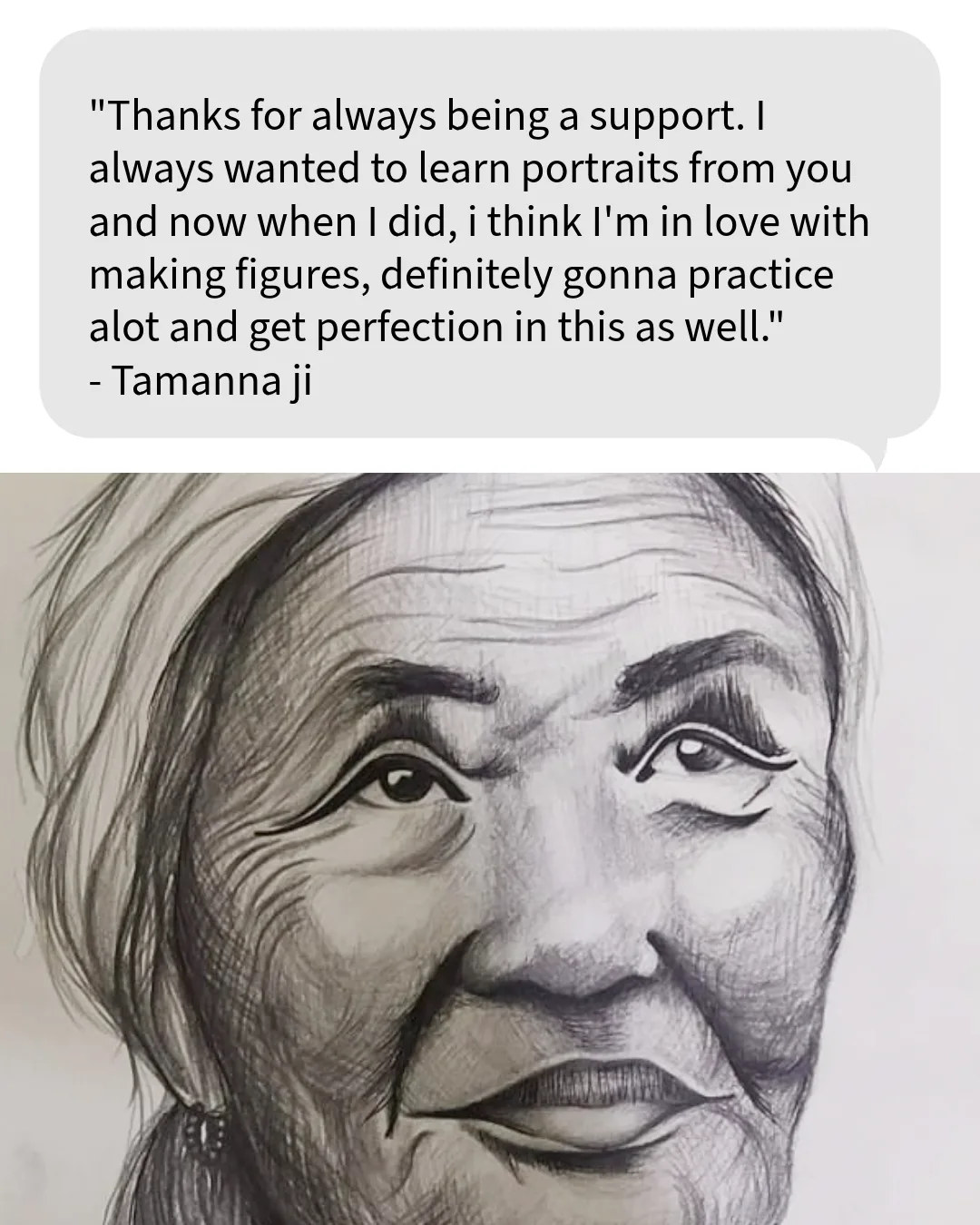
- Project 8 -- Eye-measuring old woman portrait: outlines and values
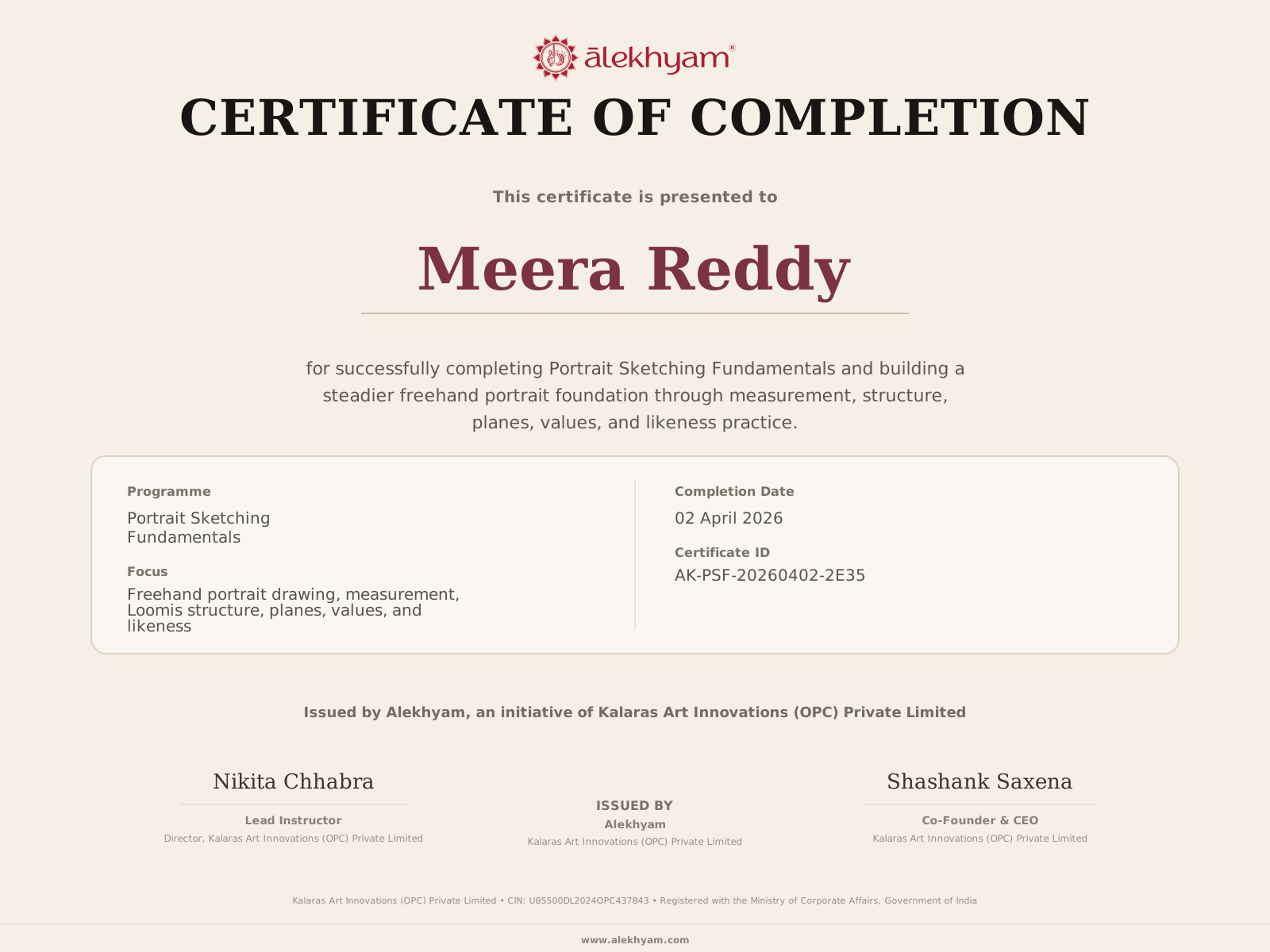
Certification
Certificate available after submission and review of your course artworks.
Issued by Alekhyam after artwork review
Includes your name, course title, and completion date
What learners say
From Google Reviews and feedback forms.
After you enrol
Three phases: access, practice, and finished work.

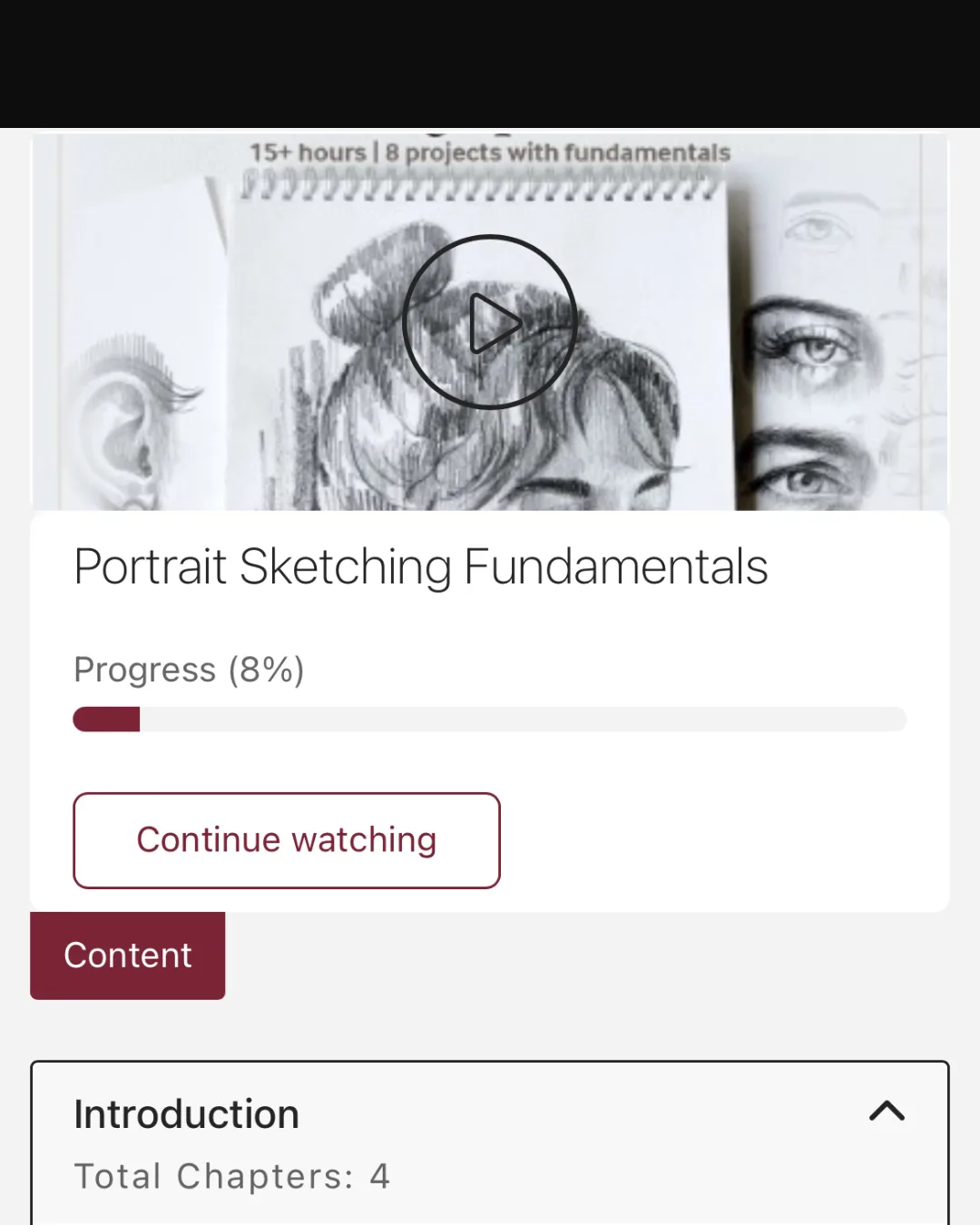
Open your dashboard
Secure payment. Dashboard opens instantly. All lessons available from day one.
This course may be a good fit if...
- Proportions that keep drifting
Eyes that sit slightly off. A jaw that shifts without warning. Hard to catch until the drawing is further along. - Shading before the structure is ready
When graphite goes down before proportions are set, the face loses depth. - You stopped drawing and want a way back in
Used to sketch. Stepped away for a while. Need a course that starts from basics without feeling childish. - You want graphite fundamentals before colour or realism
Colour or hyperrealism later. Solid drawing underneath first. - You want a focused creative practice that holds your attention
Portrait drawing demands concentration. It pulls you out of everything else for hours.
What changes
- Faces sit on the page correctly
Measurement before drawing. Eyes, nose, and jaw land where they should. - Portraits hold together from any angle
Loomis construction and planes give features a skeleton to sit on. - Shading that builds depth and form
Light separated from shadow using a 5-value scale before mid-tones. - A portfolio of finished work
8 guided projects. Each one goes from blank paper to a completed drawing.
What you can do after
- Measure a face from reference without grids or tracing.
- Construct a head at multiple angles using the Loomis method.
- Apply hatching and layered graphite to create visible form.
- Complete a portrait from reference with proportion, structure, and value working together.
Practice with a method beats practice without one.
Every hour you spend here adds a specific, repeatable skill to your portrait drawing.
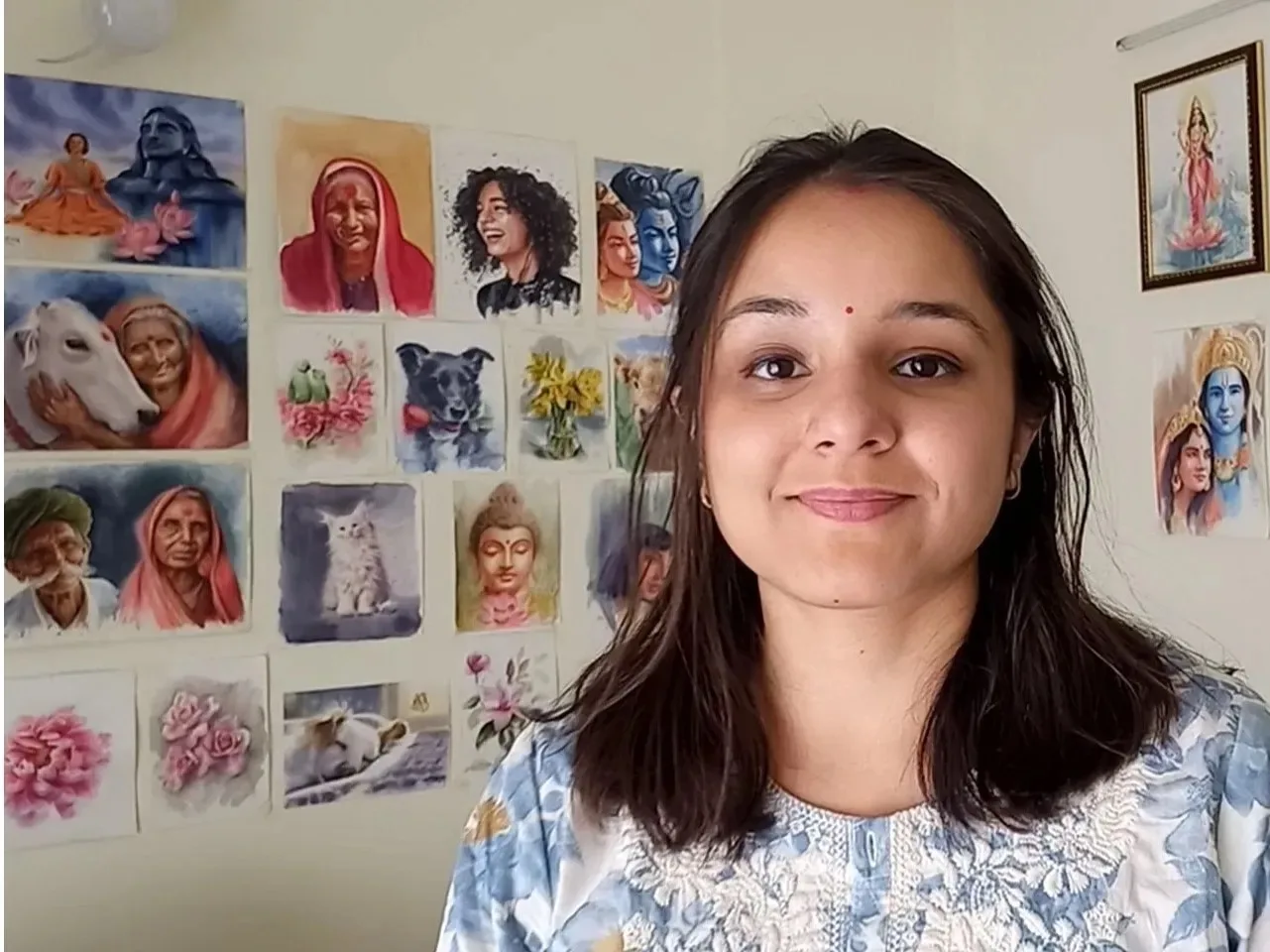
Meet the team behind the course
Clear teaching, thoughtful pacing, and support that feels calm from the first lesson onward.

What your ₹3,000 includes
Everything listed below is included in one payment.
15+ hours of recorded video lessons - watch, pause, replay for 2 years
8 guided portrait projects - blank paper to completed drawing
Full curriculum - measurement, Loomis, planes, 5-value graphite shading
2-year dashboard access - start immediately, revisit any lesson
Certificate of completion - after submission and review of artworks
Recorded Course ₹3,000
Recorded Course • 15+ hours • 8 portrait projects
Dashboard access opens immediately after payment
Questions? See FAQs below.
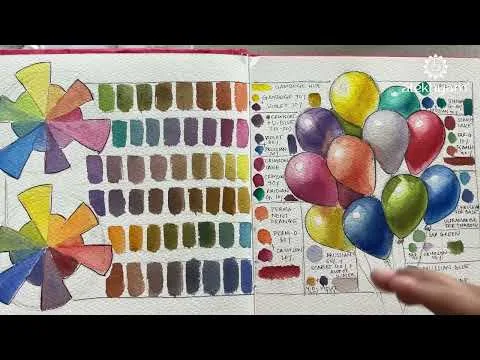
See how Nikita teaches
A short preview of the pace, clarity, and teaching style you can expect inside the course.
Questions, answered
The details most people want before they enrol.
Yes. The course starts with proportion and measurement basics. No prior drawing experience is required.
No. It is taught inside the course.
2 years from the date of enrolment. You can replay any lesson during that window.
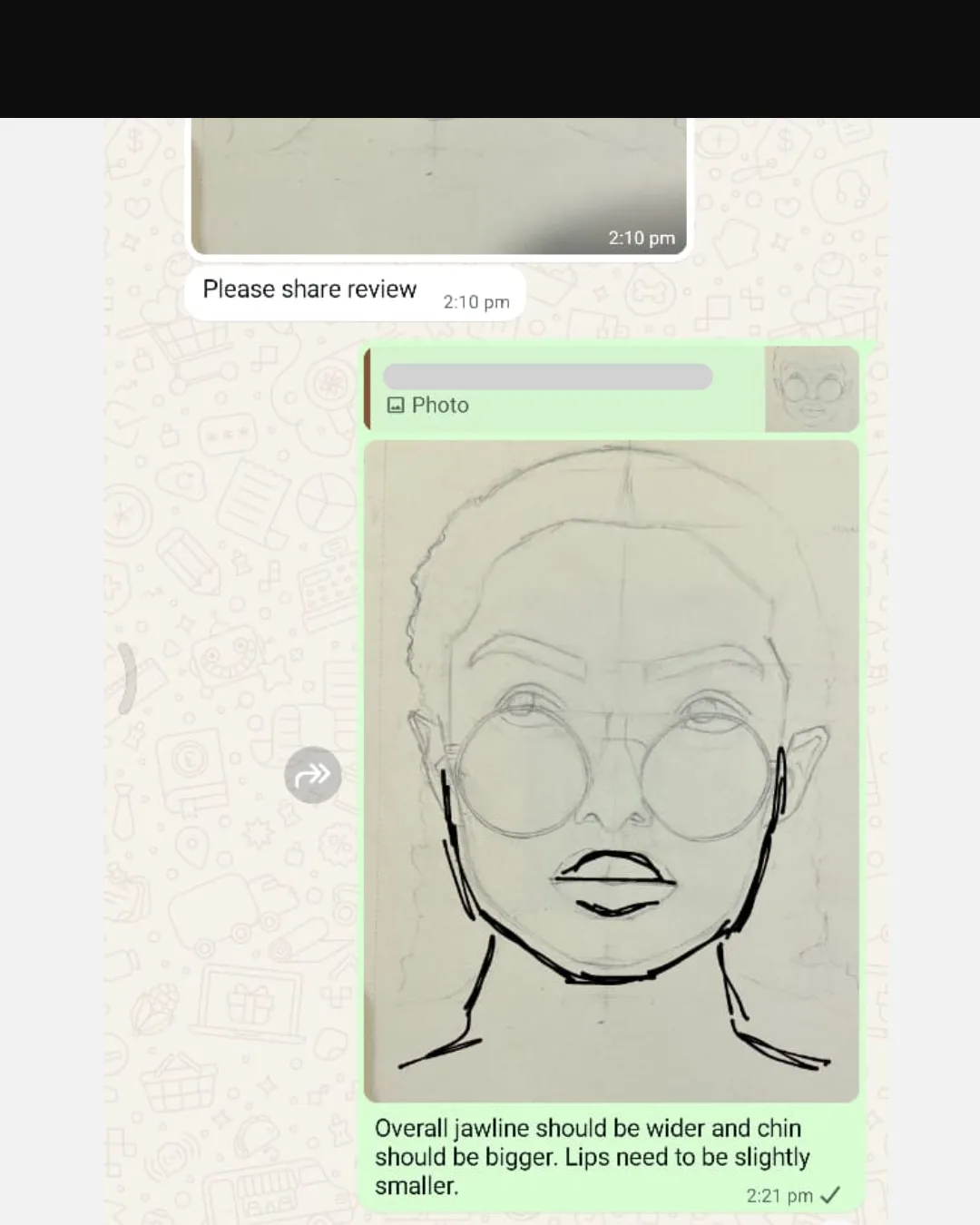
Yes. You get WhatsApp support where you can ask about lessons and materials, and share your drawings for personal feedback.
Yes. The course covers graphite fundamentals—proportion, planes, and value—that apply directly to colour portrait work and realism.
“I teach measurement and construction before shading because that is where likeness actually lives. Once that order clicks, the rest of the portrait follows.”
Recorded Course
₹3,000
Get Instant Access