


- Introduction to values and the 5-value system
- Shading techniques with graphite pencils
- 3D form outlines, shadows, and highlights
- Male and female body proportions
- Body divisions and reference points
- Foreshortening across multiple angles

Recorded Course
₹6,000
36 hours
4 scene projects
Draw the human figure from anatomy up
Landmarks, gesture, and drapery
Drawn in order, applied as you go
Recorded Course
Beginner-friendly
For artists who want figure-drawing skills grounded in anatomy - and for anyone looking for a focused, meditative drawing practice.
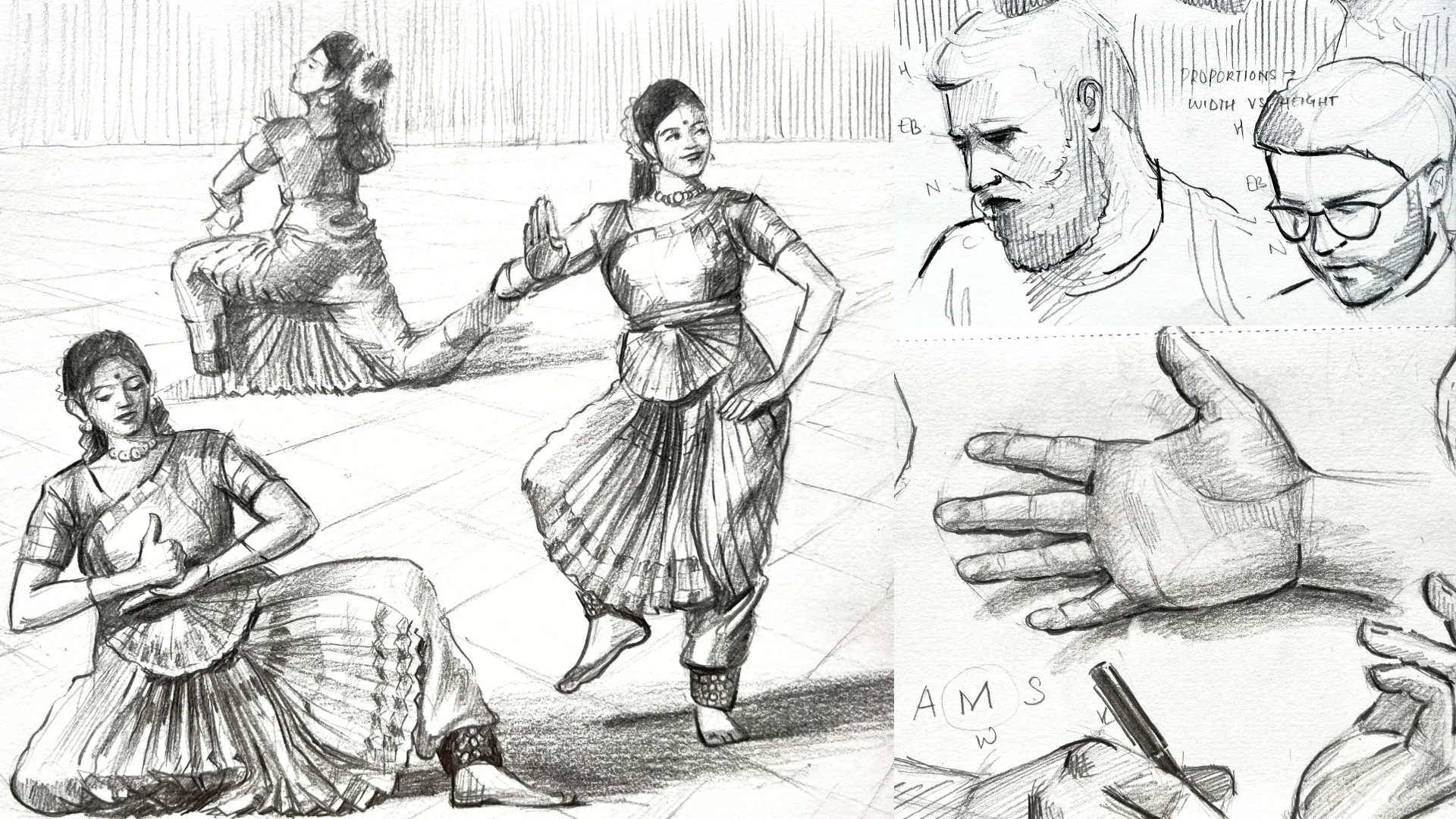
36 hours of instruction • 4 bonus scene projects • Certificate on completion • Personal feedback
Recorded Course • ₹6,000 • 36 hours • 4 scene projects
Secure payment • Instant dashboard access
₹167 per hour of instruction
recorded HD video, 2-year access, watch at your pace
20,000+ learners
in 154 countries
In learners' words
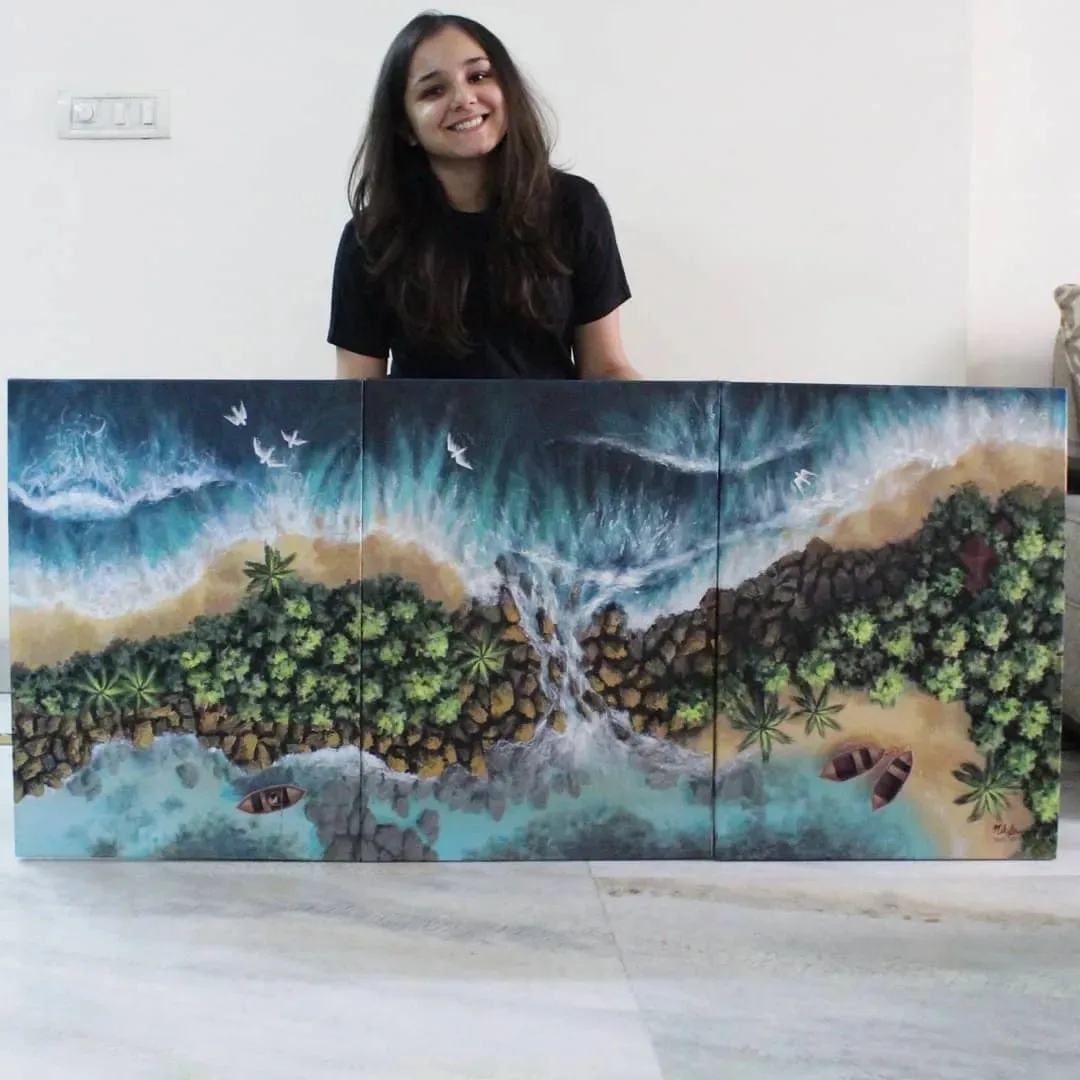
Lead instructor - Nikita Chhabra
“It improved my sketching ability plus I learned tricks on how to measure and sketch.”
“Difficult and complicated formulas were taught in a very simple and easy method.”
“Nikita's understanding of the fundamentals of sketching really helps even a beginner grasp difficult sketches with ease.”
What your figure drawings gain
Three areas where your drawing changes - from the first module onward.
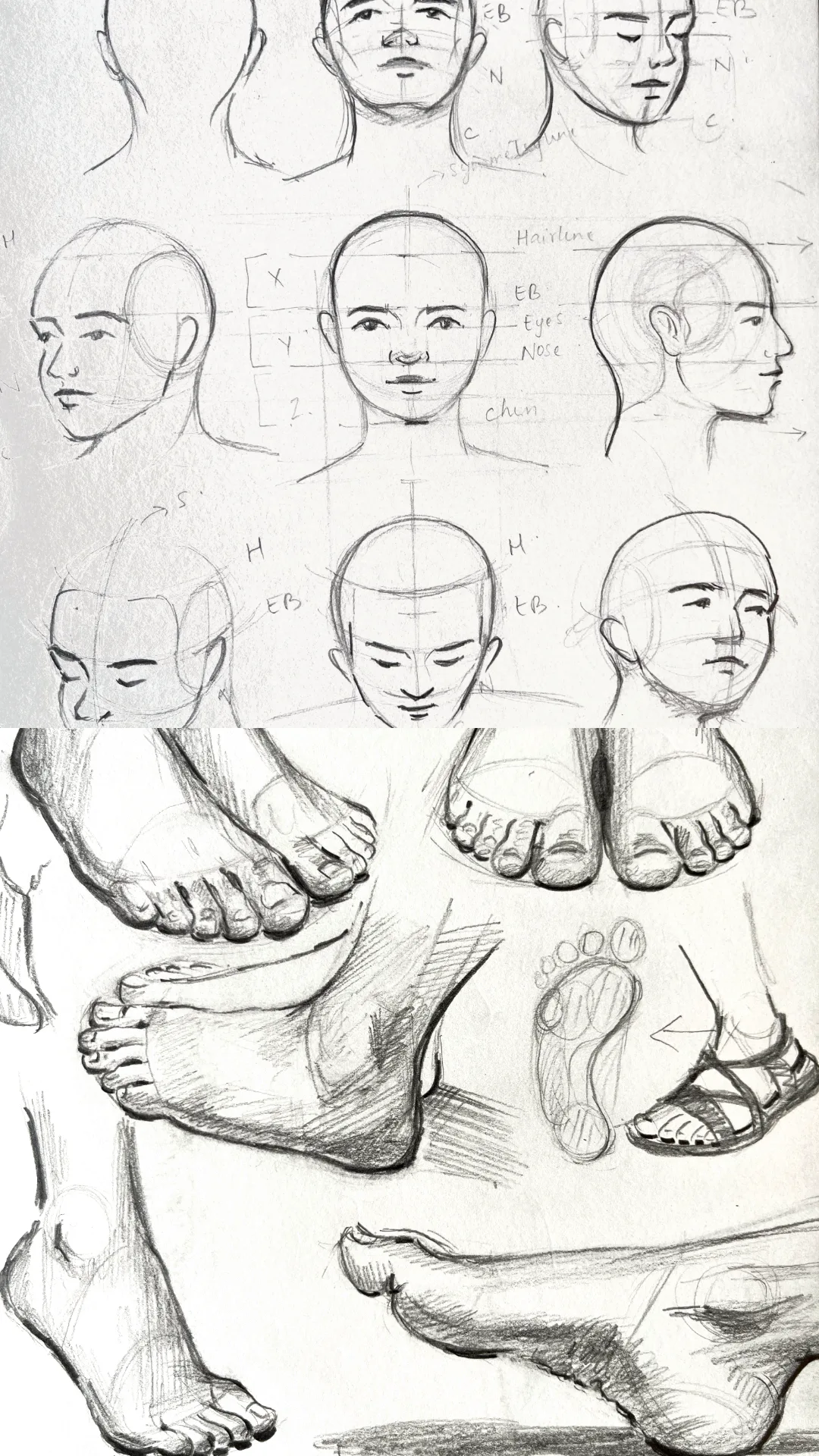
Landmarks that stop the drift
Key body landmarks and proportions that anchor every figure before you add detail.
Key body landmarks and proportions that anchor every figure before you add detail.
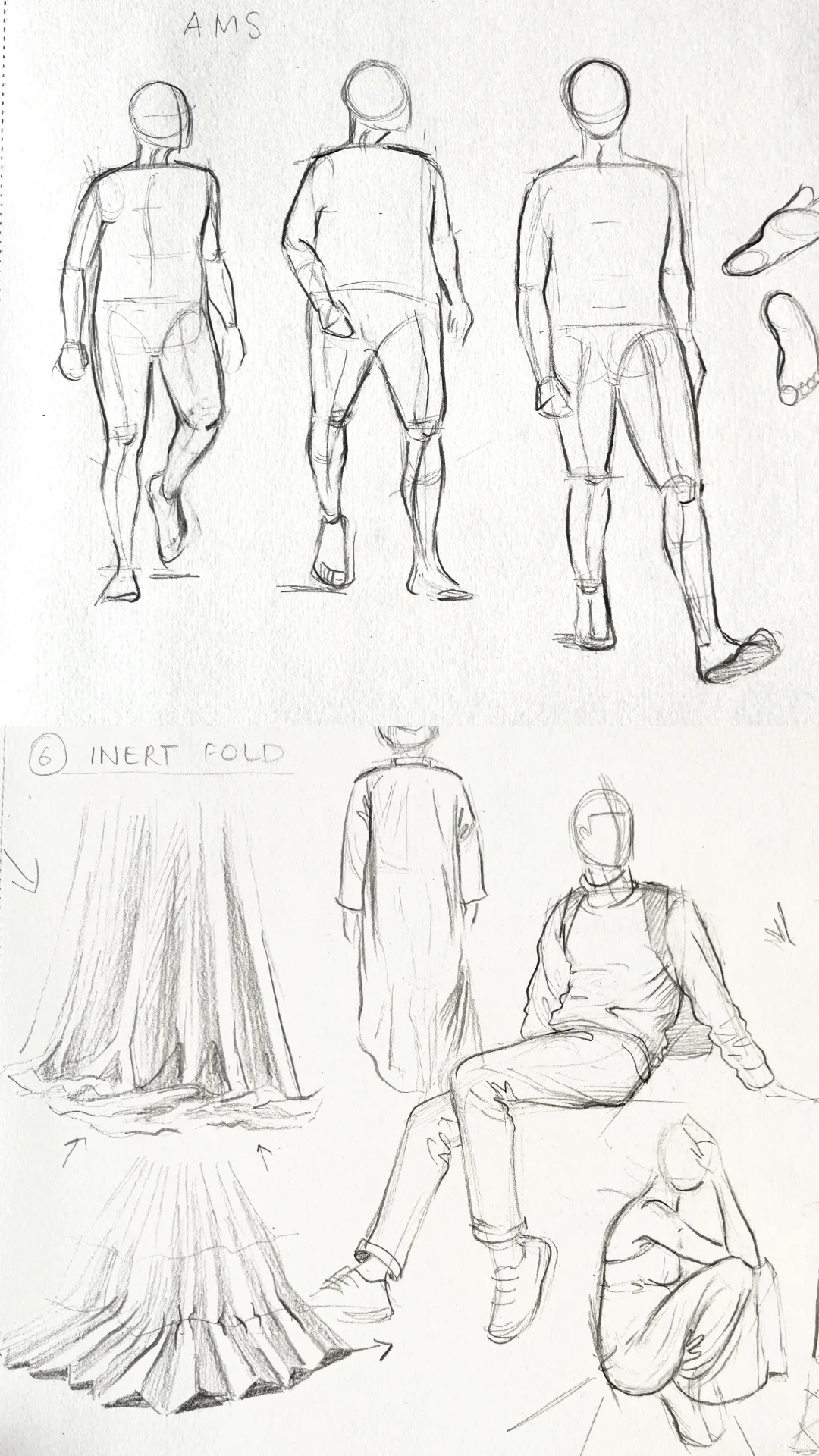
Drapery that follows form
Fabric follows the body. Once you know the form underneath, drapery makes sense.
Fabric follows the body. Once you know the form underneath, drapery makes sense.
Gesture that carries weight
How figures carry weight, shift balance, and move - so your poses stop looking stiff.
How figures carry weight, shift balance, and move - so your poses stop looking stiff.
Course curriculum
Recorded lessons
6 modules
3D forms to full-figure scenes
2-year access
Six modules. Shading and proportion first, then head, hands, torso, gesture, drapery, and four composed scenes at the end.
Modules and focus areas
Expand each module for the topic breakdown.
- Basic proportions of the human head
- Facial proportions built up in sequence
- Head drawn from different angles
- Working from references for full head studies
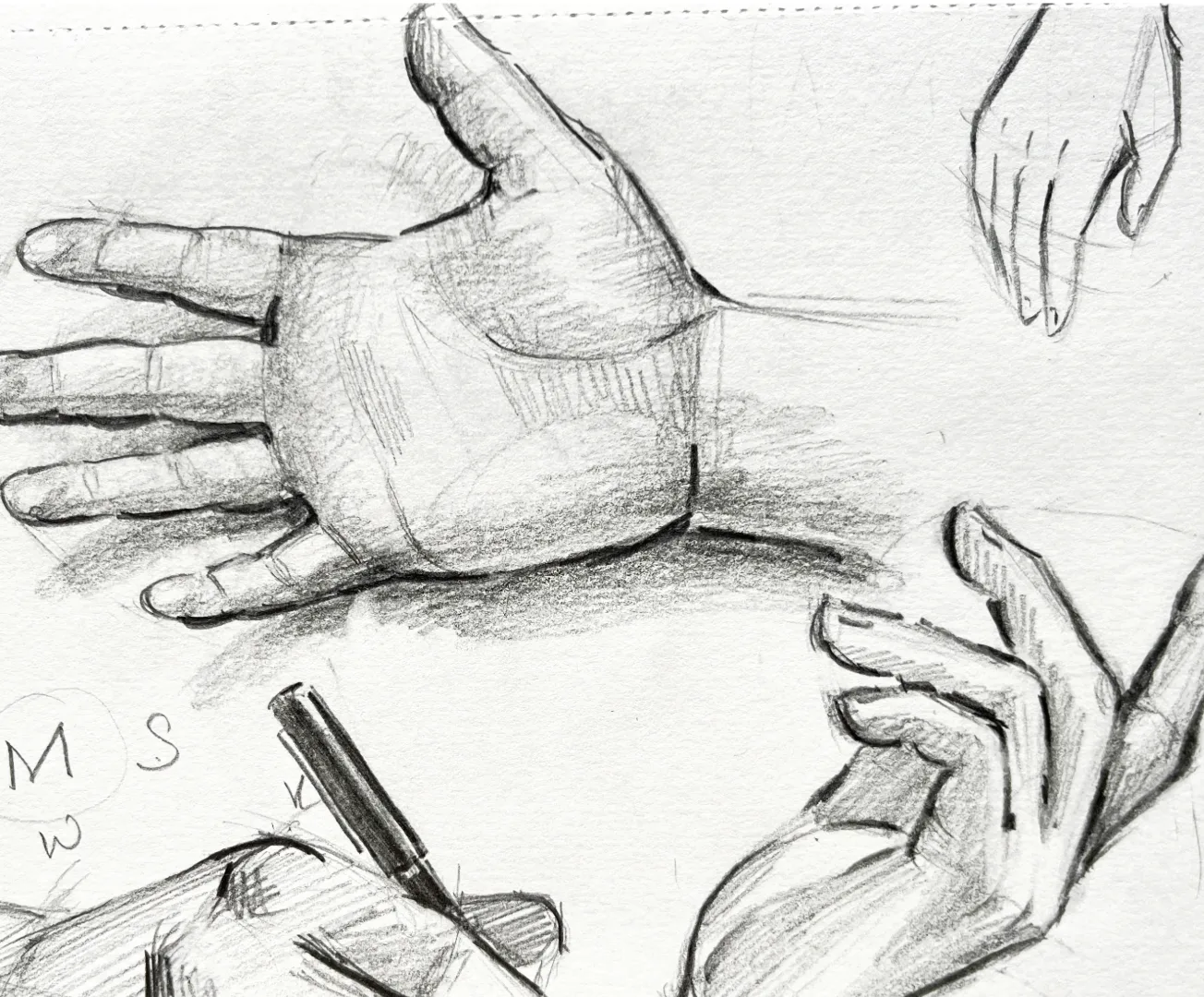
- Hand proportions and 3D forms
- Hand gestures drawn from reference poses
- Feet proportions and sketching feet from references
- Sketching footwear on the foot
- Torso proportions: ribcage, belly, and pelvis
- Torso drawn from references
- Arm muscles, volume, and arms from references
- Leg proportions and legs from different angles
- Standing postures across multiple references
- Sitting postures and weight distribution
- Walking postures and forward momentum
- Running postures and dynamic balance
- Anatomy of clothes and how fabric sits on the body
- Types of folds studied across several examples
- Loose vs fitted fabrics
- Thin vs thick fabrics
- Soft vs stiff fabrics
- Indian classical dancers: outline sketch and values
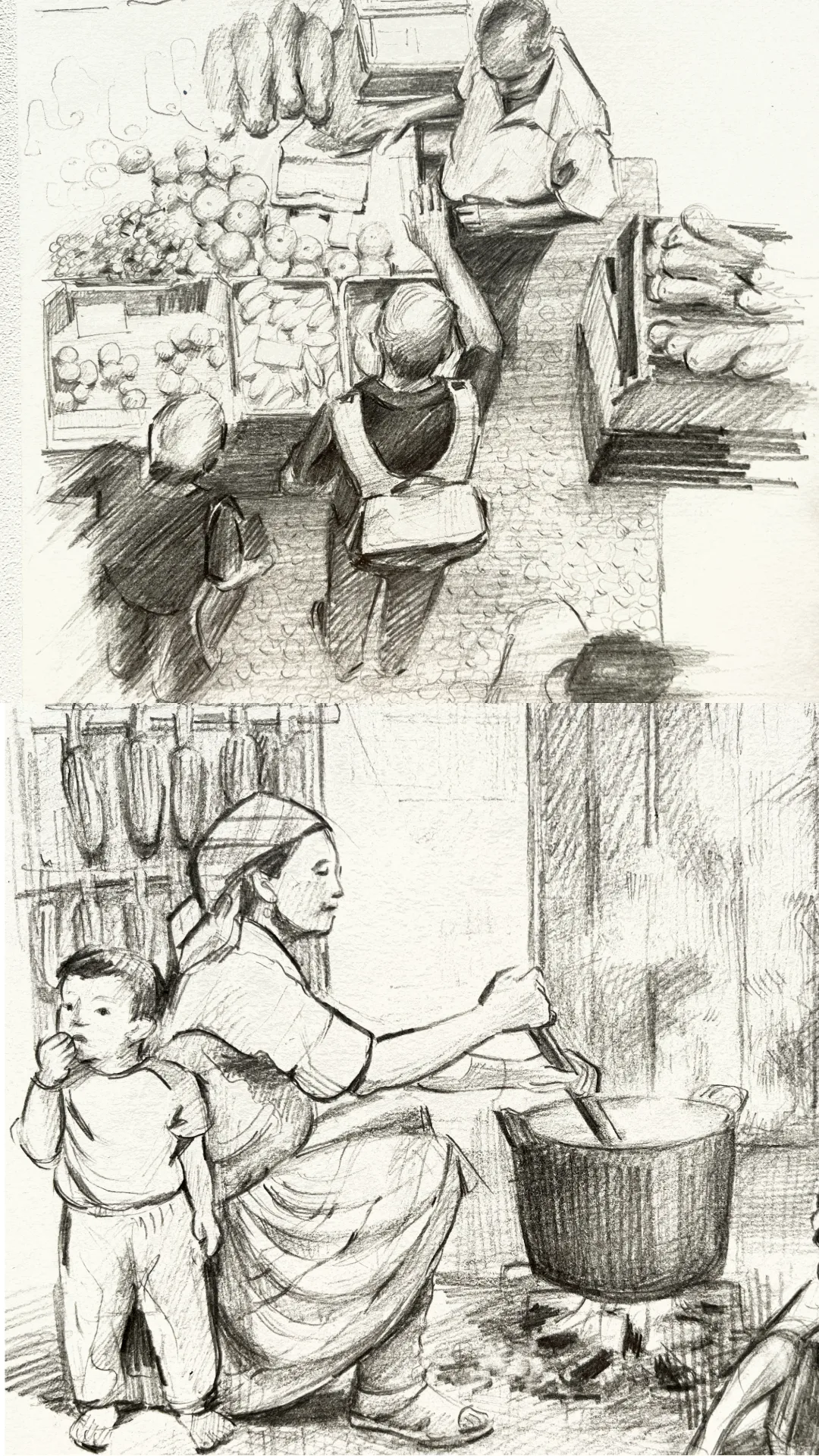
- Market scene: outline sketch and values
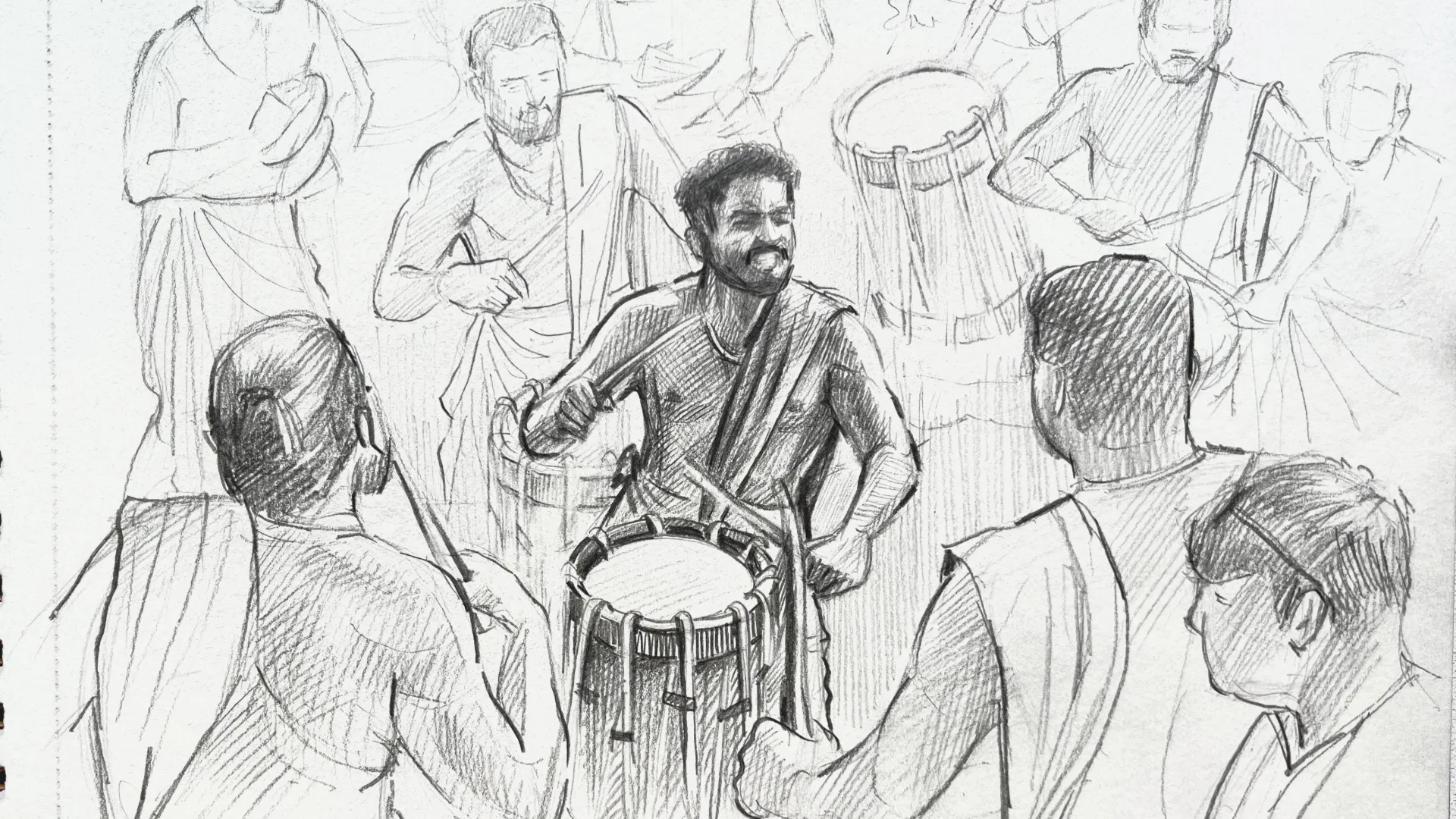
- Musician in motion: outline sketch and values
- Kitchen scene: proportions, outline sketch, and values
Certification
Certificate available after submission and review of your course artworks.
Issued by Alekhyam after artwork review
Includes your name, course title, and completion date

Reviews from Alekhyam learners
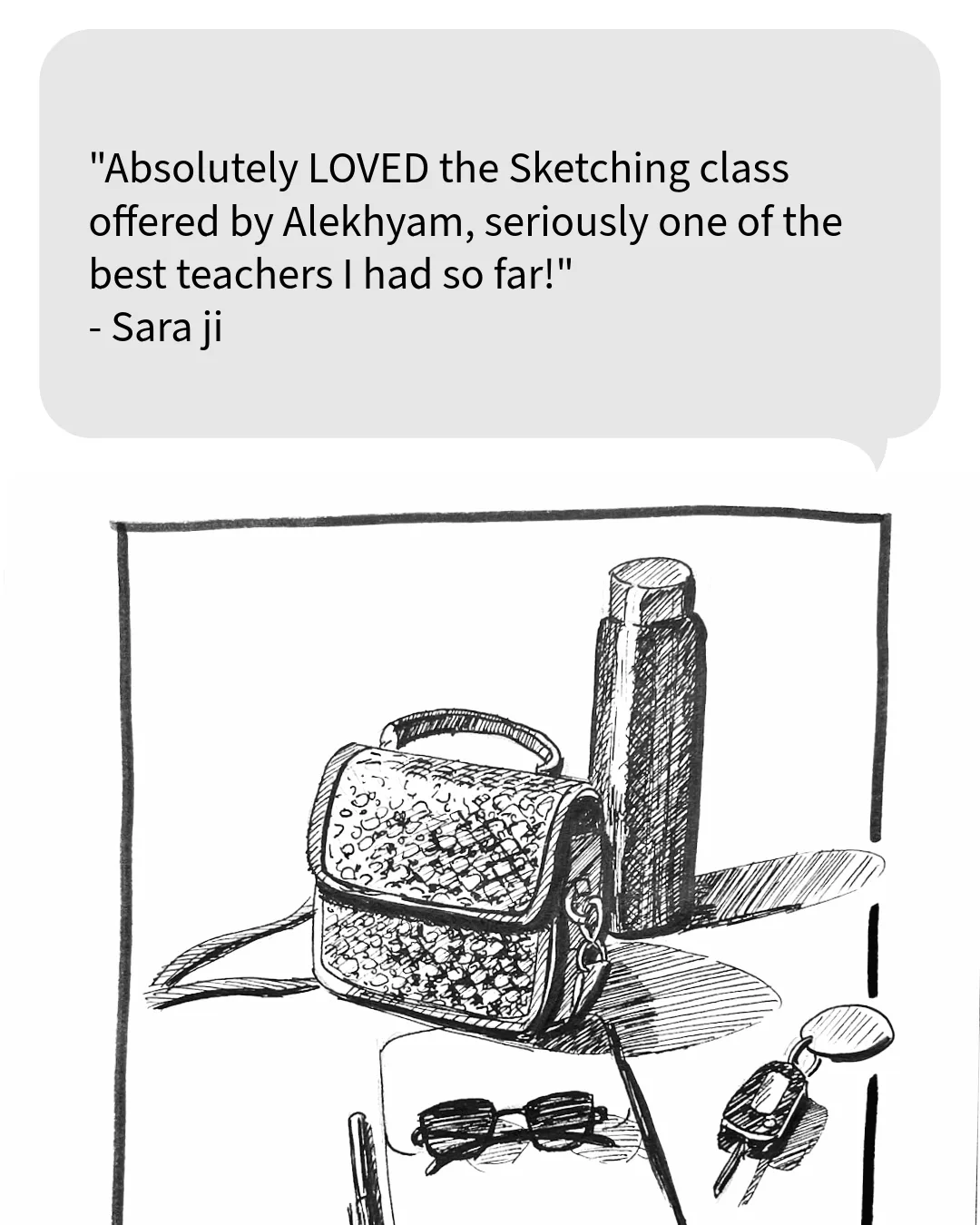
Screenshots from Google Reviews and learner messages.
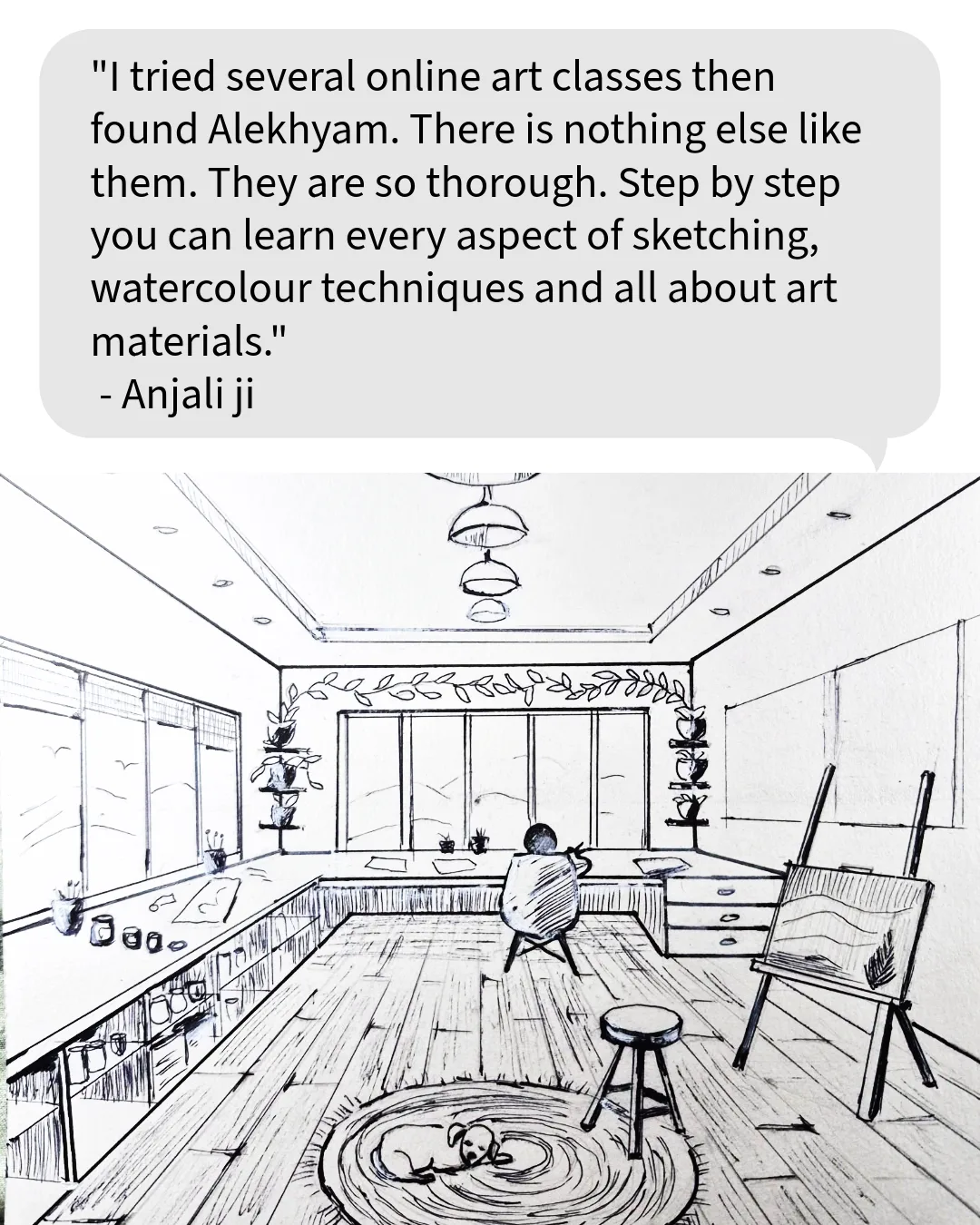

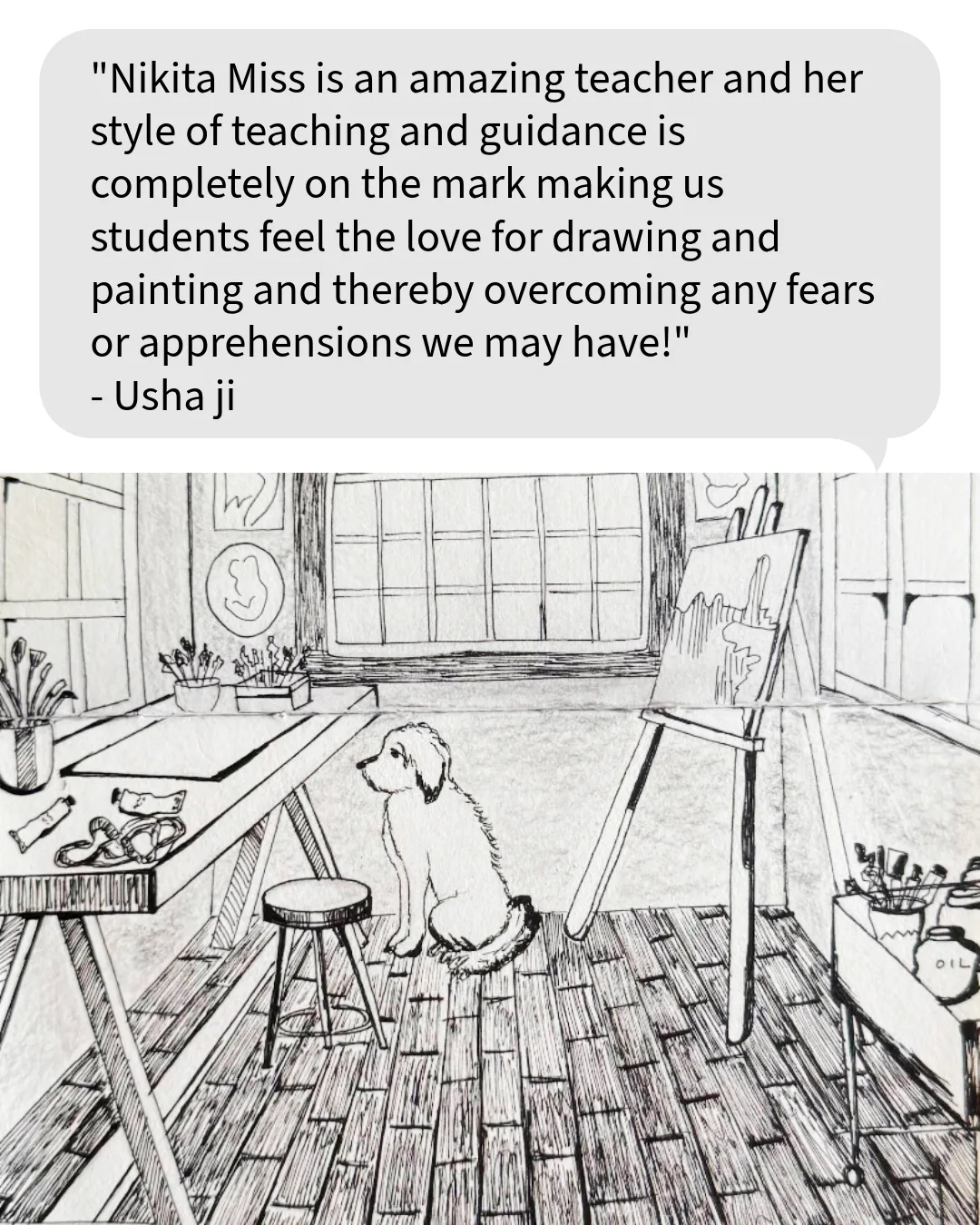
How the learning unfolds
Three steps from payment to your first figure drawing.

Get instant access
Secure payment. Dashboard opens instantly. All six modules, ready to watch.
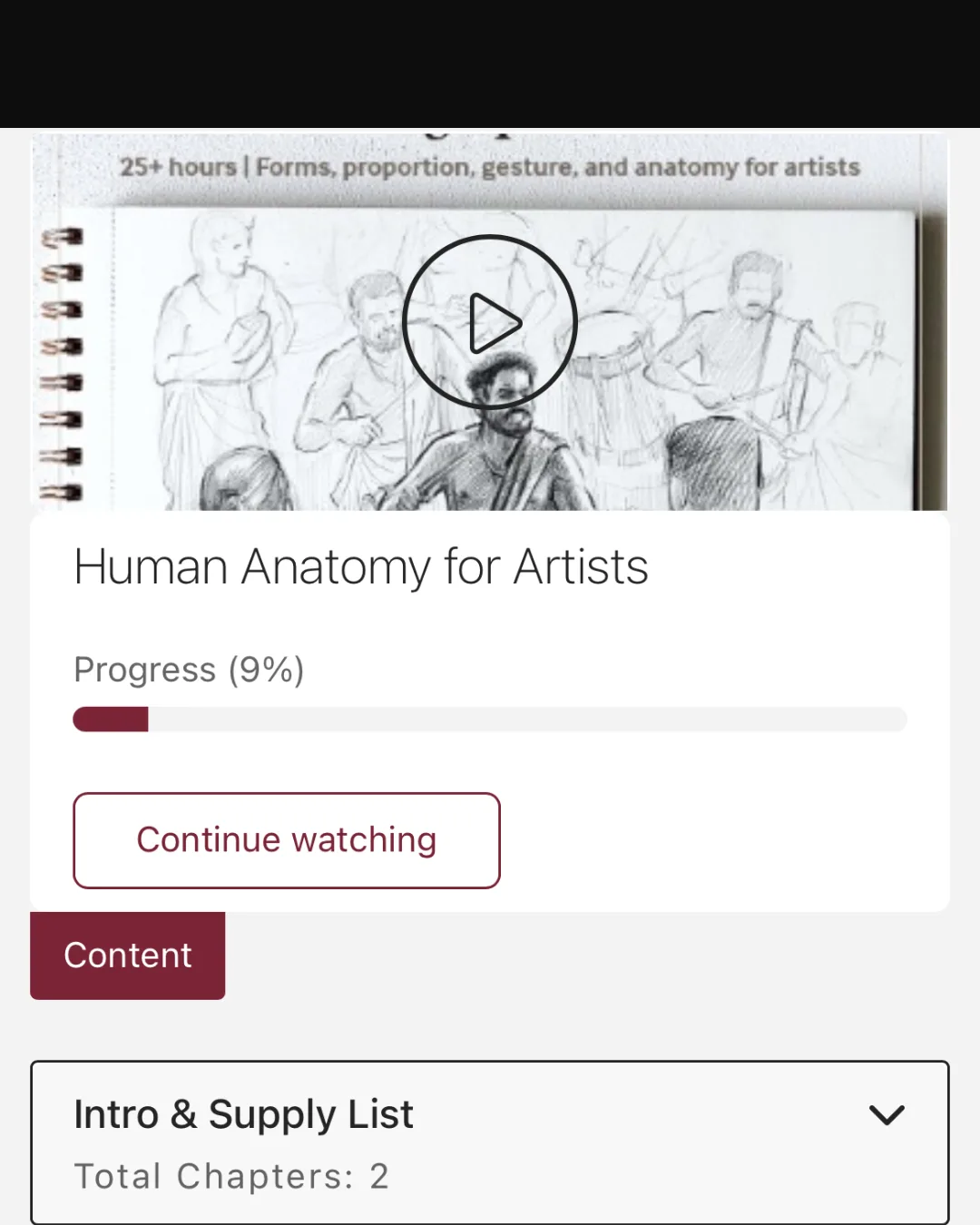
Get your setup and next steps
Materials list and course structure included. Set up your workspace before lesson one.
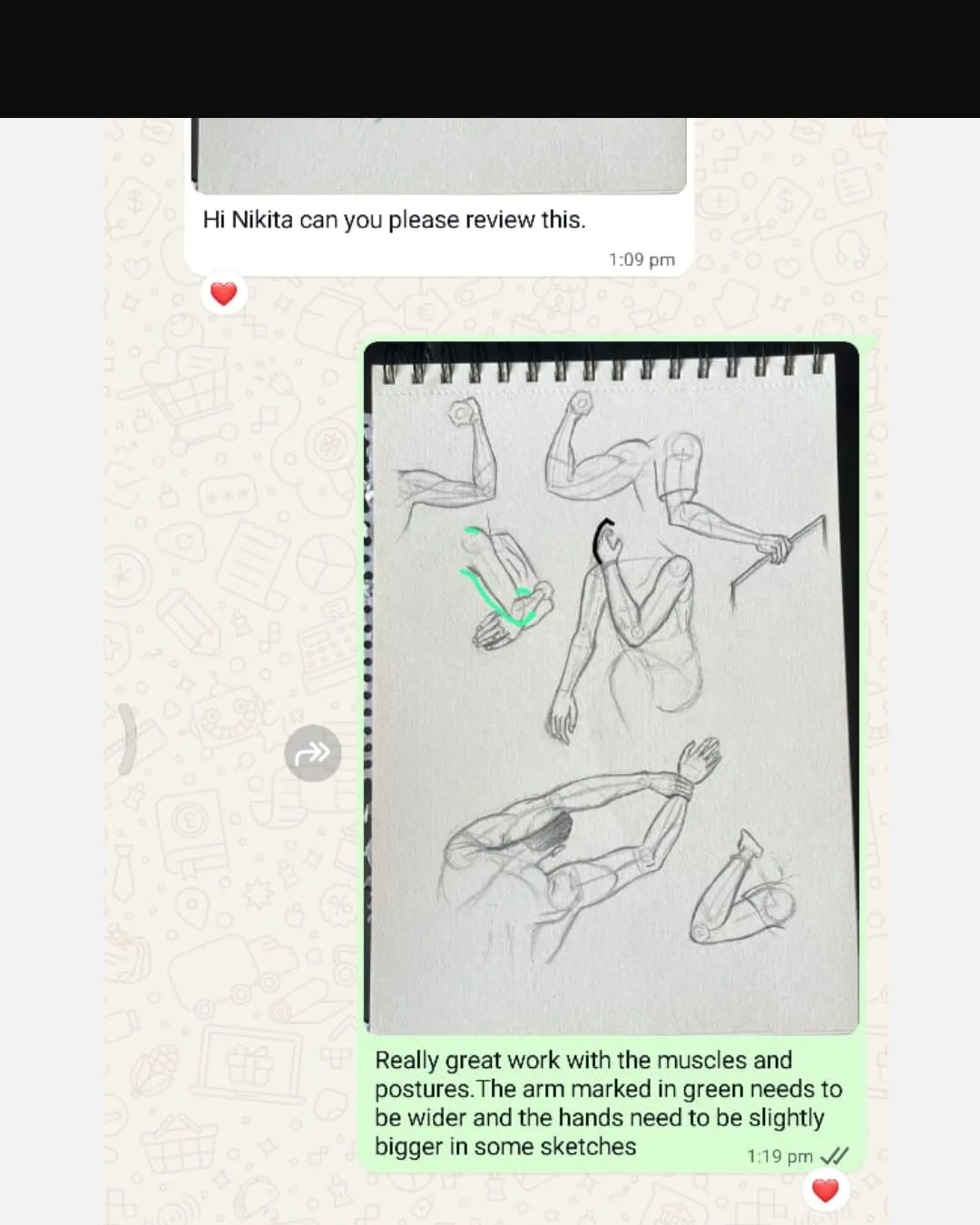
Learn through the guided sequence
Recorded lessons in sequence. Each module builds on the last - landmarks, gesture, then application.
Who this is for
- Sketchers who hesitate at the body
Full figures feel daunting - proportions and poses don't quite come together yet. - Painters who want stronger figures
Figures feel flat or stiff - you want the anatomy knowledge to change that. - Returning artists
Tried anatomy before. Too medical, too theoretical, or disconnected from actual drawing. - Curious beginners
Want just enough anatomy to draw better figures - not memorise every muscle. - Anyone looking for a focused creative practice
Figure drawing is absorbing, repetitive, and meditative. A creative reset that builds a real skill.
What changes after this course
- You simplify the body before drawing it
Landmarks, masses, directional lines. What to look for before your pencil moves. - Your poses have weight and balance
Standing, turning, bending. How the body distributes weight in each position. - You use anatomy to improve drawings, not overwhelm them
Joints, volumes, form. Applied where it makes your figures hold together. - Drapery clicks into place
Fabric follows the body underneath. Once form is clear, clothing falls into place.
Meet the team behind the course
Clear teaching, thoughtful pacing, and support that feels calm from the first lesson onward.
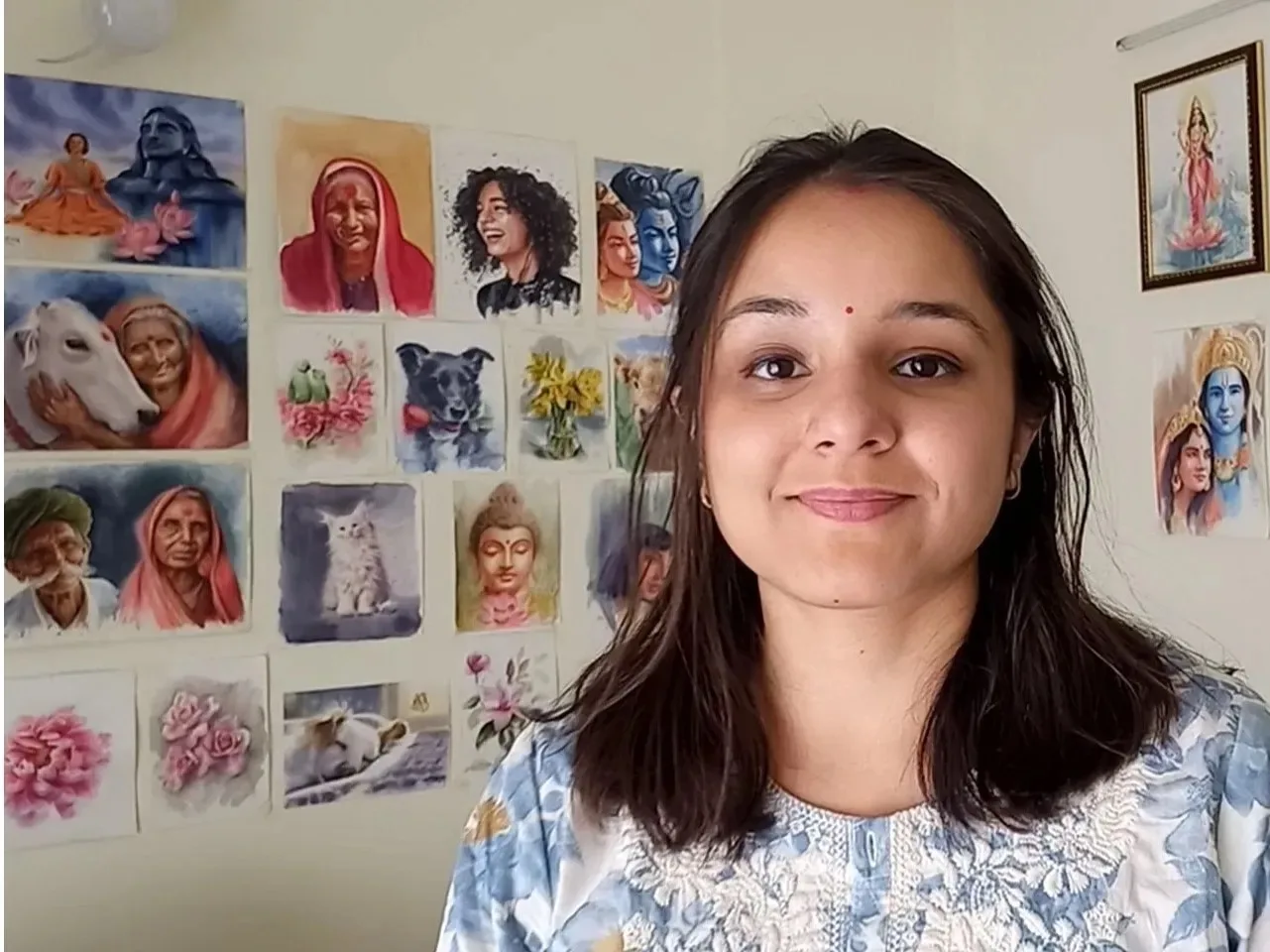

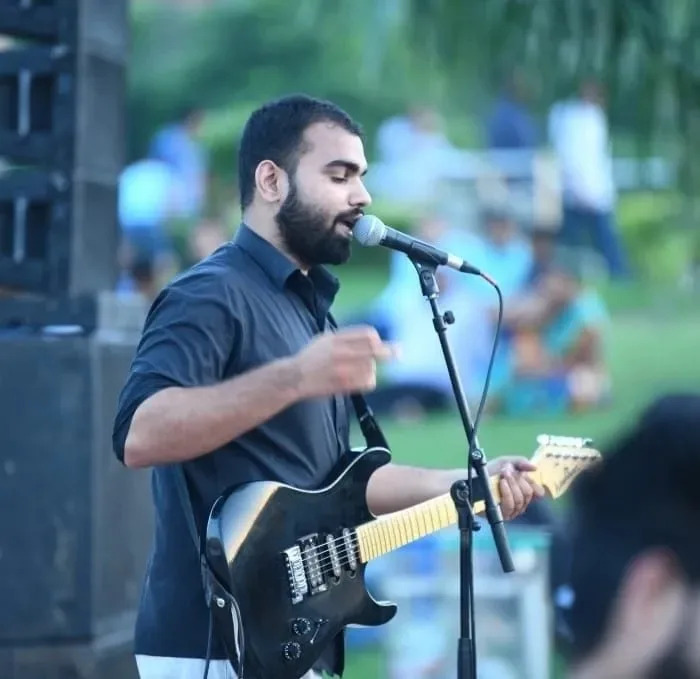
What you get
Everything included with course access.
6 recorded modules - landmarks, proportions, gesture, torso, limbs, drapery, and 4 bonus scene projects.
HD video lessons you can pause, rewind, and revisit for 2 years.
The anatomy artists actually use - landmarks, gesture, form. Not medical memorisation.
Instant dashboard access after payment.
48-hour refund window if less than 25% has been watched.
Recorded Course ₹6,000
Recorded Course • 36 hours • 4 scene projects
Instant dashboard access after purchase • founder-led teaching
48-hour refund if less than 25% watched
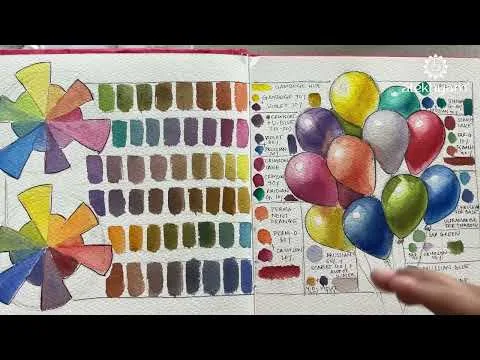
See how Nikita teaches
A short preview of the pace, clarity, and teaching style you can expect inside the course.
Questions, answered
The details most people want before they enrol.
No. This is anatomy for drawing - landmarks, proportions, gesture, and form. You won't memorise muscles. You'll learn the parts of the body that make figures hold together on the page.
Yes. Module 1 starts with shading, 3D forms, and basic proportions. Everything after that builds on those foundations. You don't need prior anatomy knowledge.
No. The course teaches the anatomy that matters for drawing - body masses, landmarks, balance, and gesture. The goal is to draw better figures, not to label every bone.
Instantly. After payment through Razorpay, all six modules appear in your Alekhyam student dashboard. Start from Module 1 and work through at your own pace. WhatsApp support is included, and you can share your drawings for personal feedback.
A 48-hour refund window applies as long as less than 25% of the course has been watched. Write to [email protected] within that window.
“I teach anatomy the way I use it when drawing - landmarks first, then gesture, then structure over the full figure. That order is what makes it usable.”
Recorded Course
₹6,000
Get Instant Access