The Six Limbs of Painting
A one-verse summary of the whole craft, seven centuries old, and what each limb still asks of anyone holding a brush.
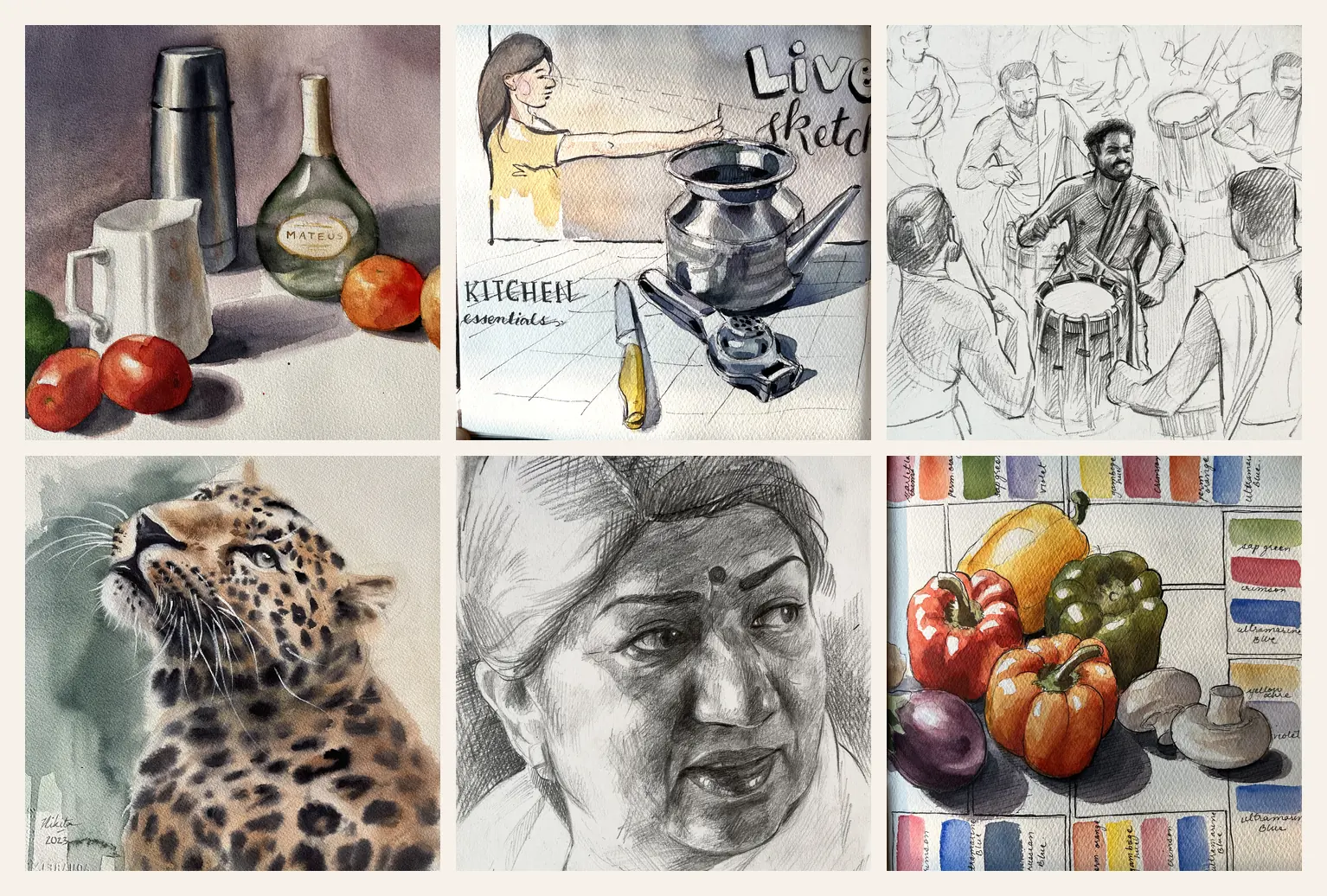
Long before art schools, Indian tradition kept its teaching in verses. Short enough to memorise, dense enough to spend a life unpacking. One of them compresses the whole craft of painting into six limbs, the Shadanga षडङ्ग.
रूपभेदाः प्रमाणानि भावलावण्ययोजनम् ।
सादृश्यं वर्णिकाभङ्ग इति चित्रं षडङ्गकम् ॥
rupabhedah pramanani bhava-lavanya-yojanam
sadrisyam varnikabhanga iti chitram shadangakam
Distinction of forms · Proportion · Feeling · The infusion of grace · Likeness · The handling of colour
The verse is preserved in a thirteenth-century Sanskrit commentary, in a note on painting among the classical sixty-four arts. Scholars have not settled whether the commentator composed it or wrote down something older. What is settled is who brought it back into the light: Abanindranath Tagore, the painter at the centre of the Bengal School, who opened up the six limbs for modern readers in an essay published in 1921.
Read slowly, and the six turn out to be startlingly current. Here is each one, and a small way to practise it this week.
Rupabheda (रूपभेद)the distinction of forms
The eye's work comes before the hand's. A steel flask and a glazed jug differ in a handful of quiet ways, and seeing those ways is the first act of painting.
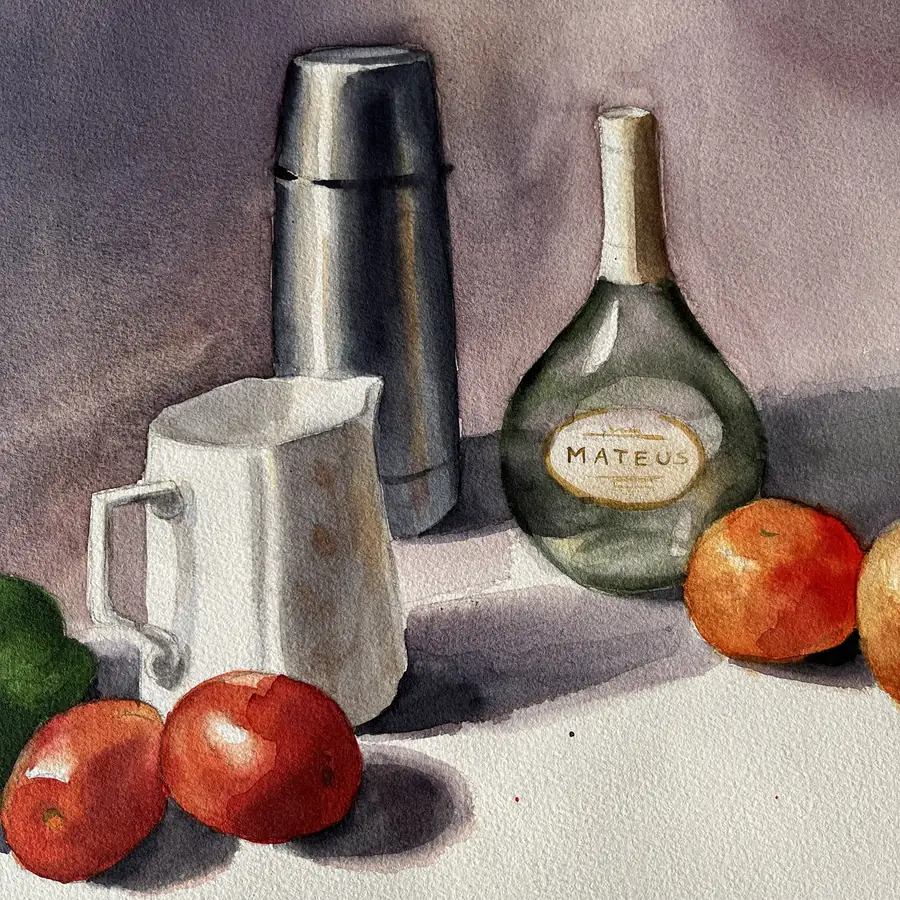
Before your next drawing, look at the subject and name three things that make it what it is, and not its neighbour. Only then pick up the pen.
Pramanani (प्रमाणानि)proportion and measure
Not absolute sizes, but relationships. How tall is the pot against its width, and where does the spout leave the body.
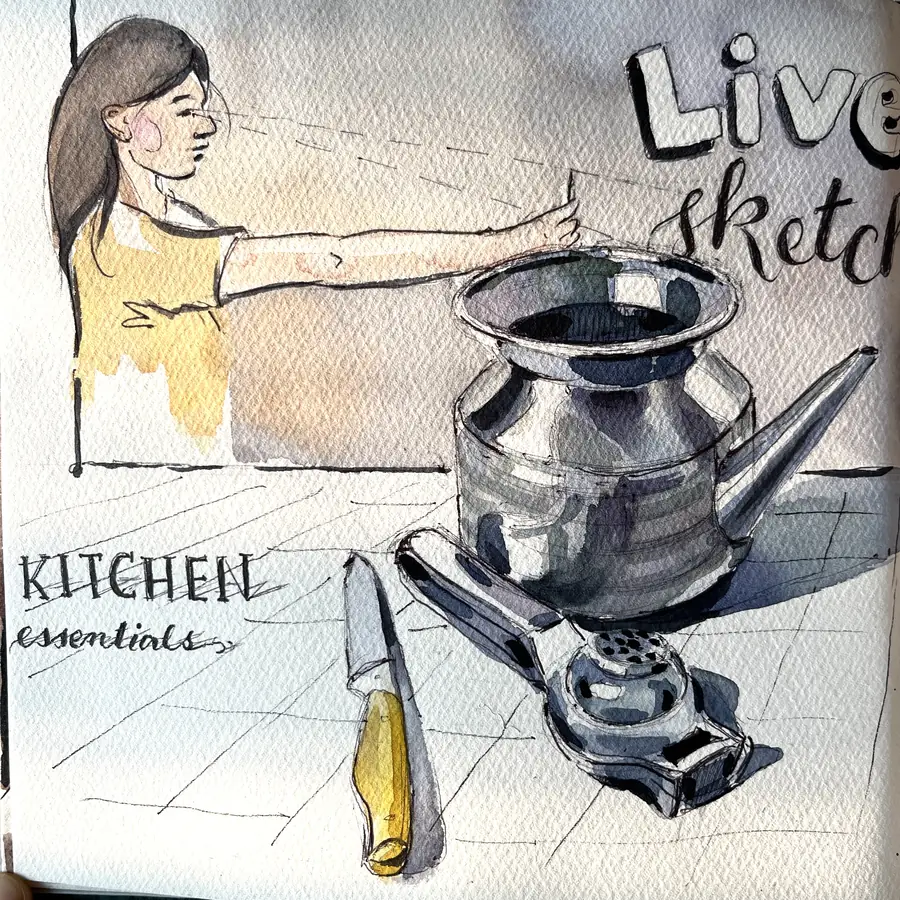
Hold your thumb up at arm's length and compare one length against another before committing. Two honest measurements settle what an hour of correcting cannot.
Bhava (भाव)feeling
Every picture carries a mood, chosen or not. The old teachers chose.
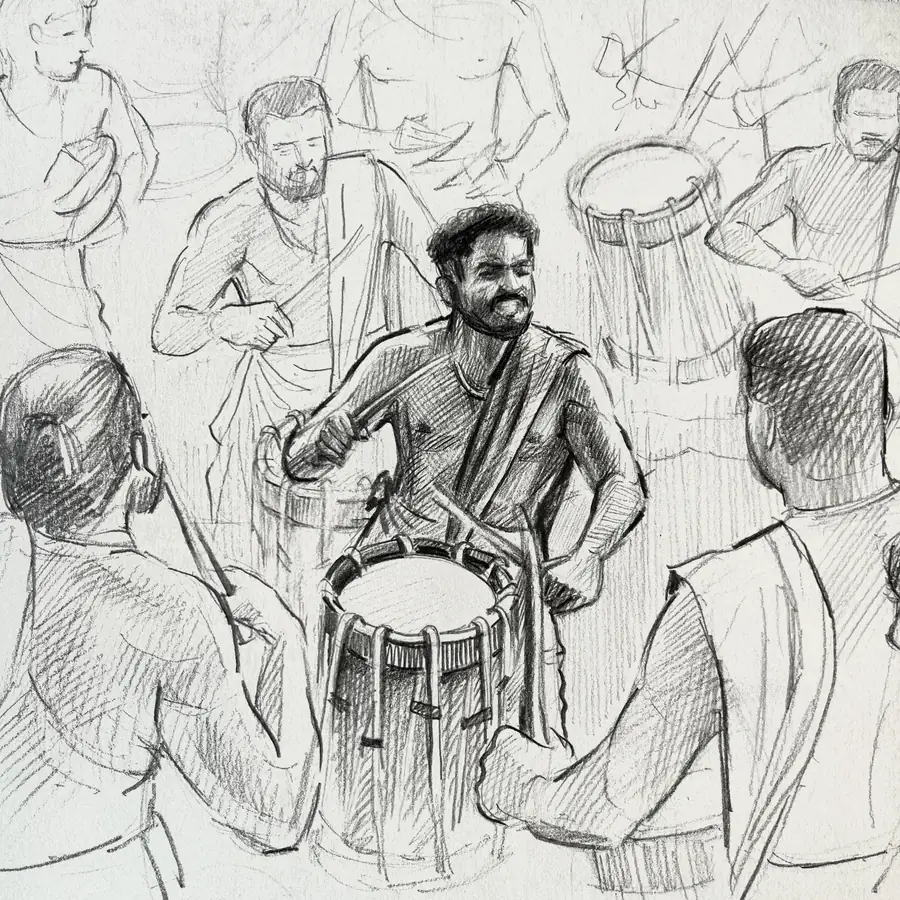
Before the first mark, write one word in the corner of your sheet. For example: still, festive, tired, monsoon. Let every decision that follows answer to it.
Lavanya-yojanam (लावण्ययोजनम्)the infusion of grace
Grace, in practice, is restraint. The wash you do not overwork, the corner you leave quiet, the detail you decline.
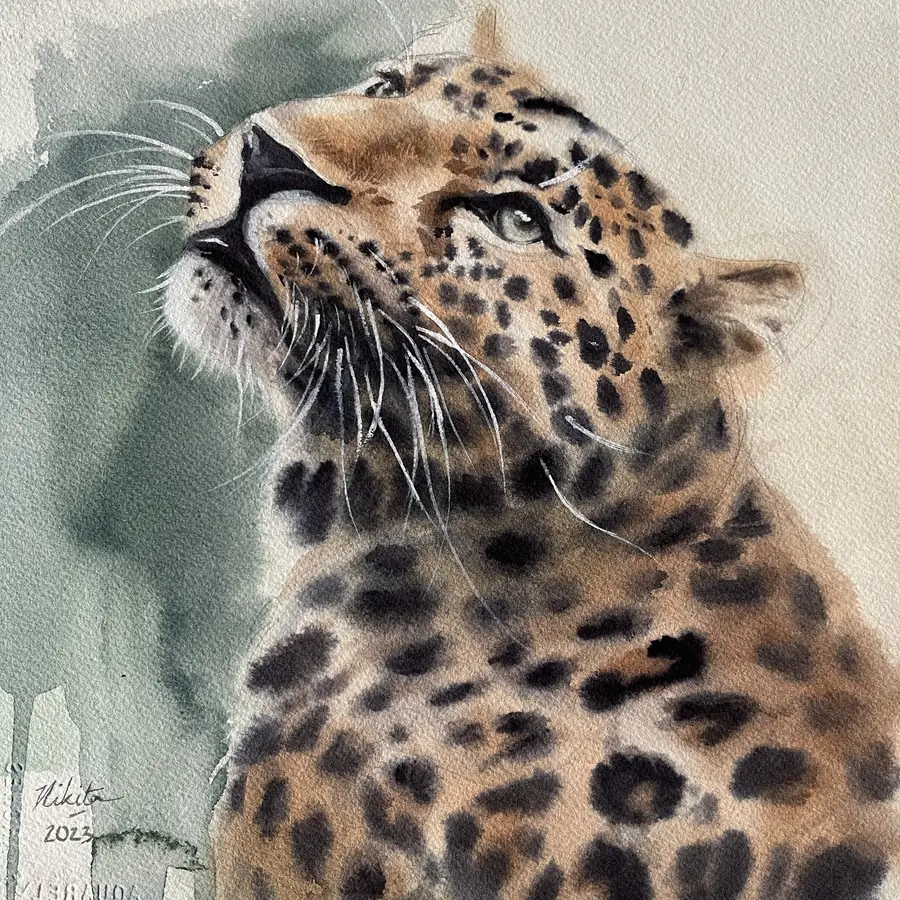
Try finishing your next piece one step earlier than you think you should. What remains unsaid often carries the charm.
Sadrisyam (सादृश्यम्)likeness
Likeness is not a photocopy. A drawing can be exact and lifeless, or loose and unmistakably true. Chase the character of the person, the turn of the head, the direction of the gaze, and let the exact measurements stay approximate.
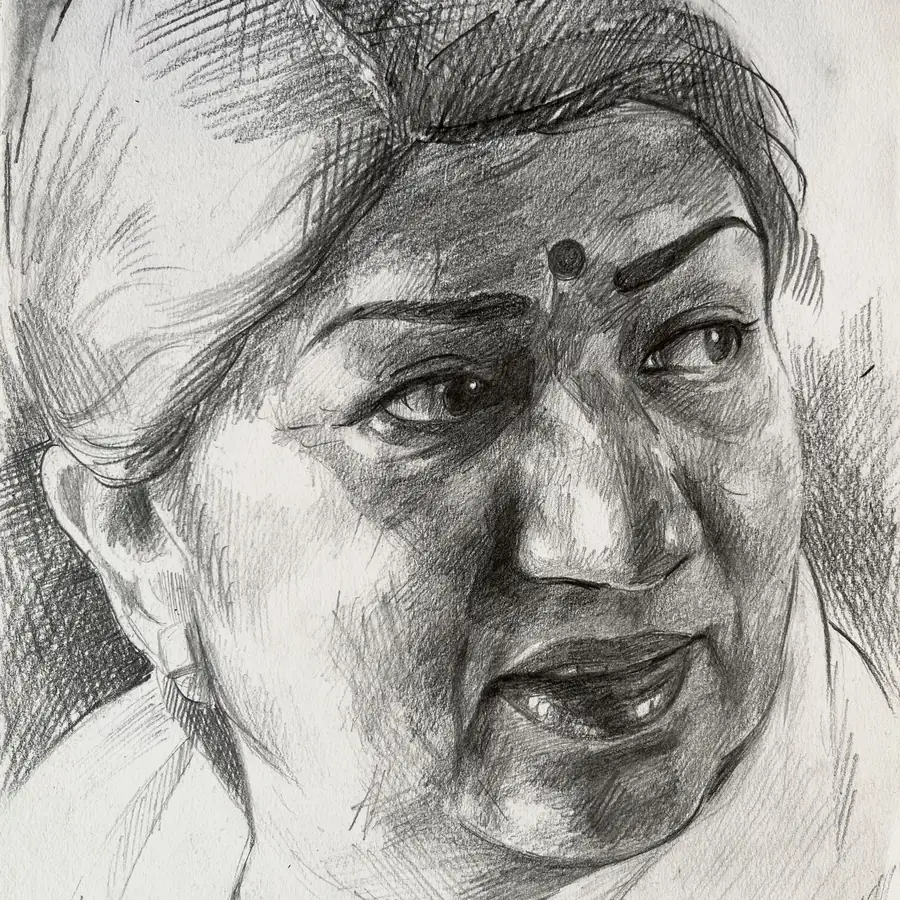
Draw one subject twice, once measured and once in sixty seconds. Keep both. The quick one usually holds more of the truth.
Varnikabhanga (वर्णिकाभङ्ग)the handling of colour
The one limb about materials, and it asks for craft, not abundance. Mixing, layering, knowing what two pigments do together before they meet on the page.
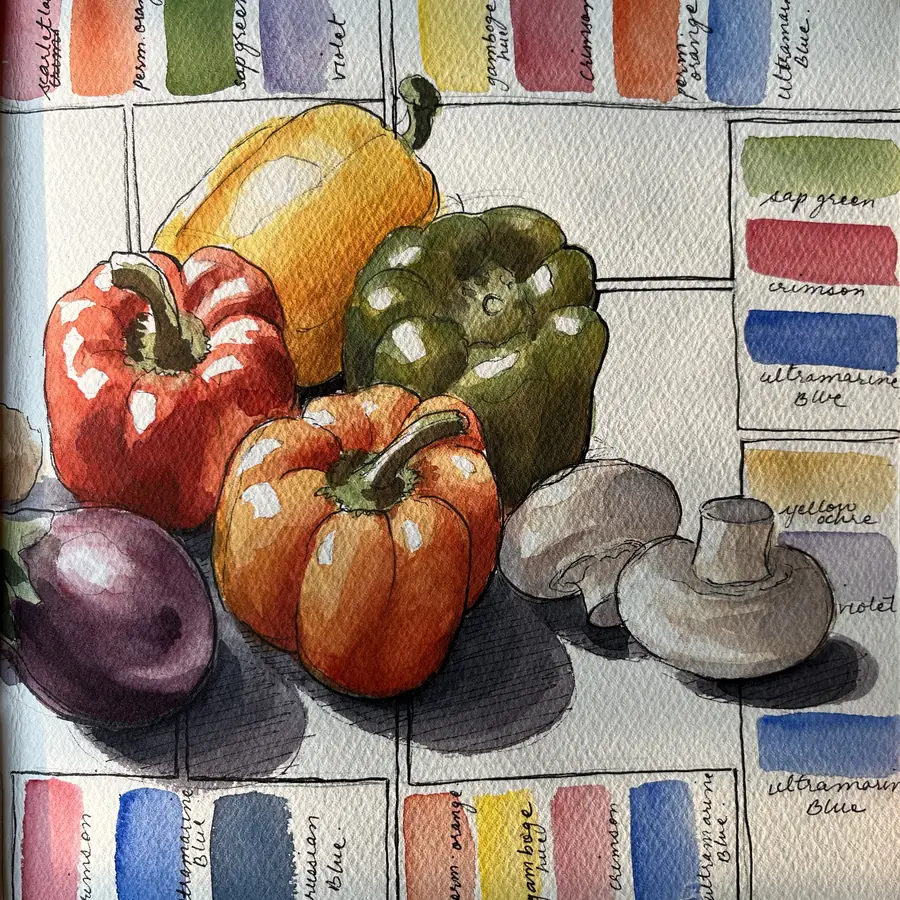
Paint one small study with three colours only, and watch how much of the world they already hold.
What the list leaves out
Talent. Not one limb names it. The old teachers counted craft, attention, feeling and care, each of them learnable, each of them practisable. Seven centuries later, that one verse is still the most encouraging sentence in Indian art.
The six limbs, in our courses
What is running at Alekhyam at the moment, in case any of it is useful to you. The six limbs are in all of it, as they are in any painting.
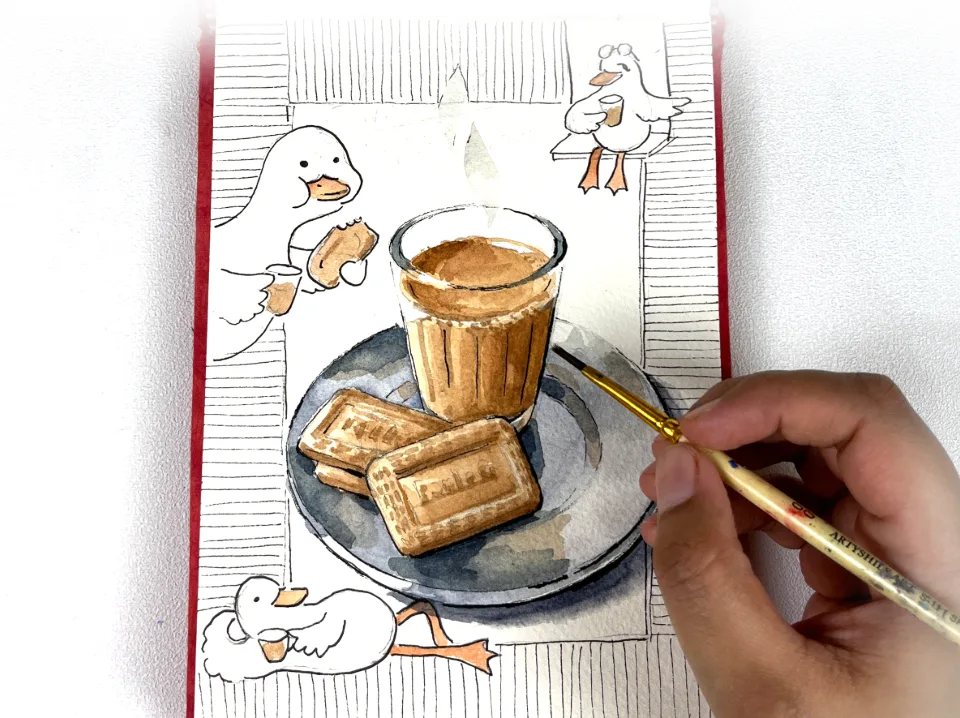
Watercolour Reset
3-Day Workshop [Oct 2026]
3, 7 and 10 October · 5:00-7:30 PM IST
Three evenings to settle back into water and pigment, at an unhurried pace.
₹999Every session is recorded.
View Details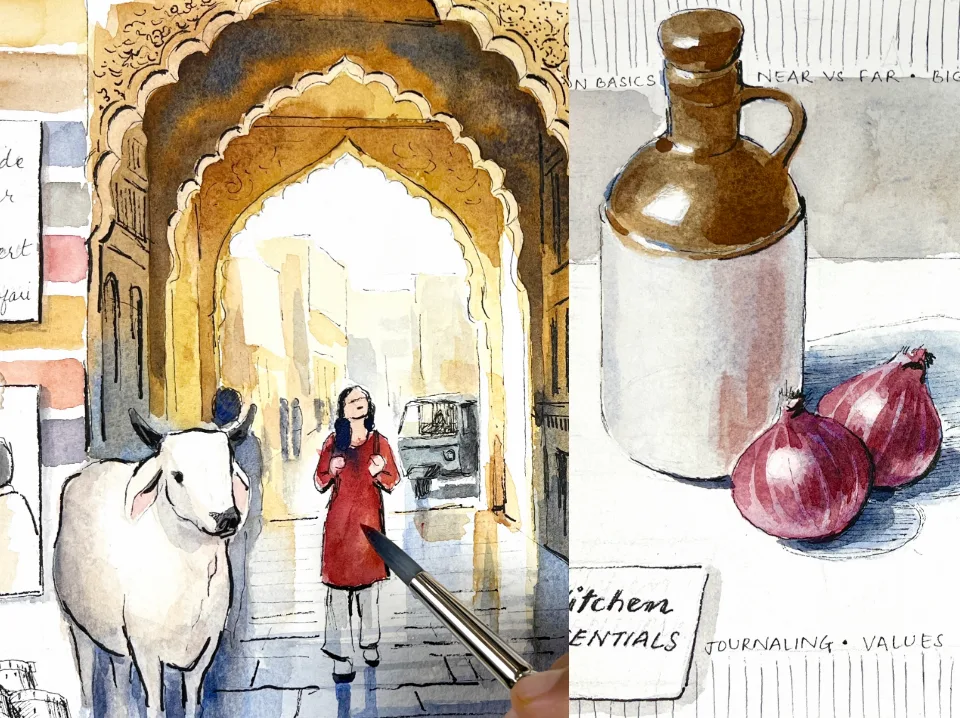
Watercolour Journaling
14-Day Workshop [Nov 2026]
Orientation Sun 15 Nov · Days 1-14, spread across 16 Nov to 16 Dec · 8-10 PM IST
One journal page a day, taught live.
₹3,999
View Details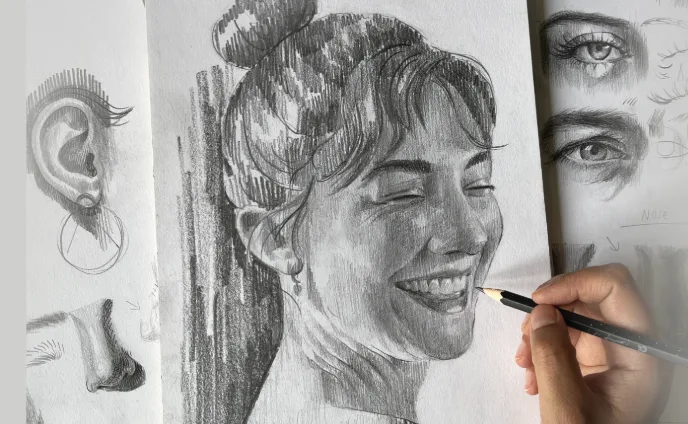
Portrait Sketching Fundamentals - Course
Self-paced course · Start any day
Sadrisyam, likeness, taught from structure: the head, the features, the shading.
₹3,000
View Details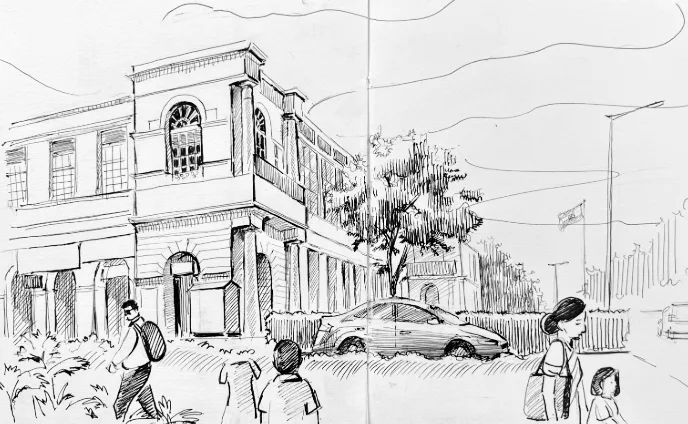
21-Day Sketching Challenge - Course
Self-paced course · A short lesson a day, for twenty-one days
Rupabheda and pramanani, seeing and measure, built up gently across twenty-one drawings.
₹7,499
View DetailsRegistrations closed
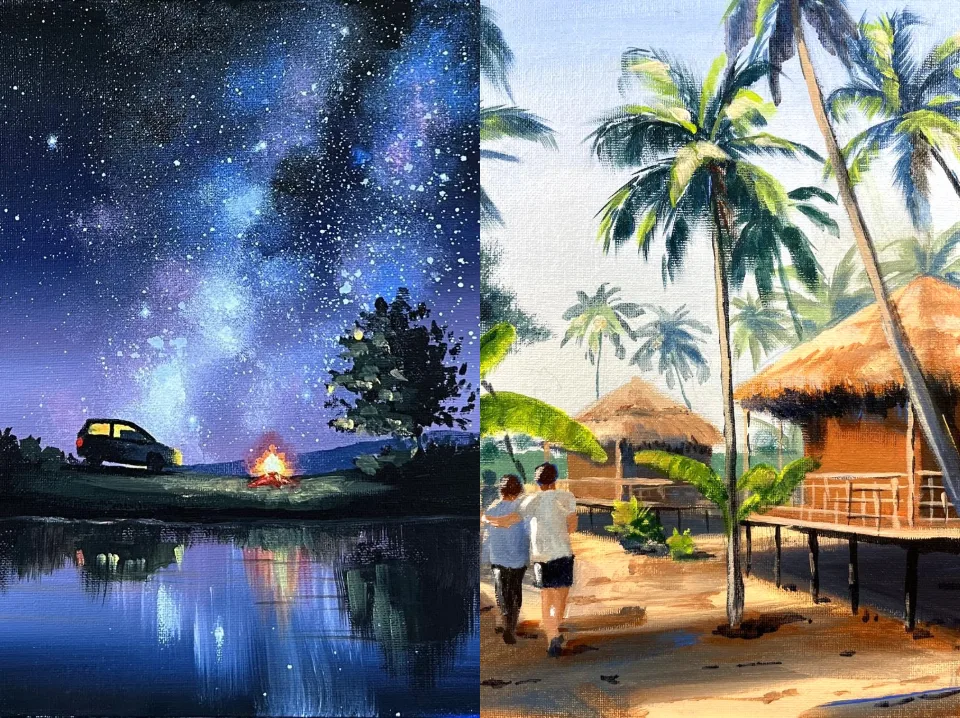
Acrylic Landscapes & Cityscapes
7-Day Workshop [Sep 2026]
Seven weekend sessions, 6 to 27 Sep · 7:30-9:30 PM IST
Opaque pigment, mixed and layered across seven guided evenings.
Next batch to be announced
View DetailsNotify me when the next batch opens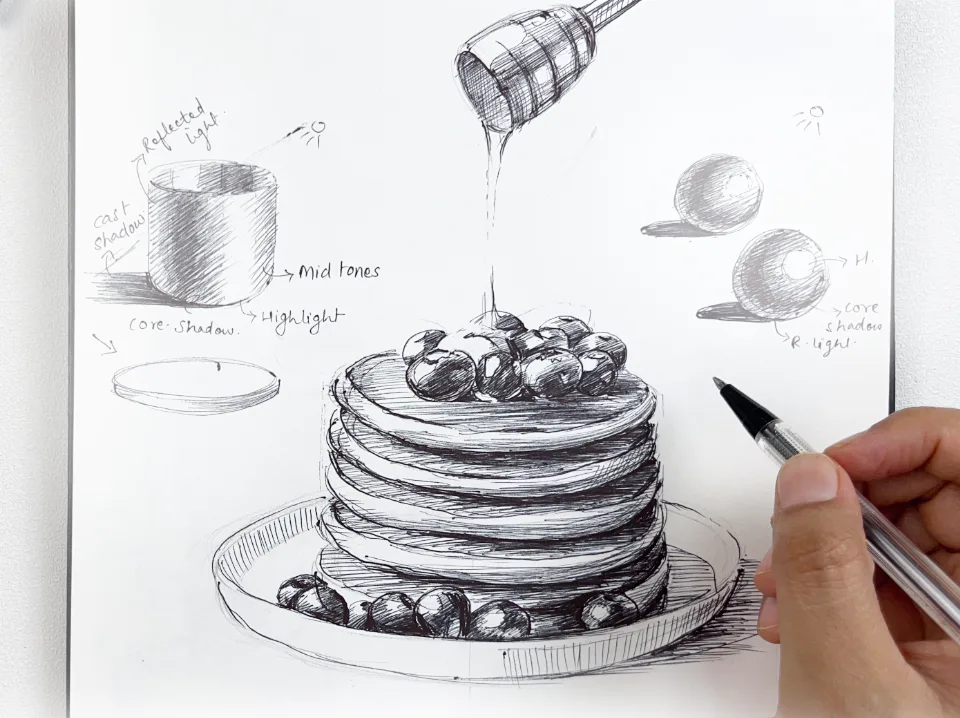
Everyday Objects in Ball Pen
2-Day Workshop [Aug 2026]
Sat 29 and Sun 30 Aug · 5:00-7:30 PM IST
Ordinary objects, one pen, no colour to hide behind.
Next batch to be announced
View DetailsNotify me when the next batch opensEverything we run lives in the Course Library: these live batches, self-paced courses you can start any day, and free courses open to everyone. Whether you are new to Alekhyam or have painted with us before, it is worth a slow browse.
The Alekhyam Team
Written for learners who want the craft, not the shortcut. Questions about any batch: write to us at [email protected].